
Three years of running the PepsiCo Greenhouse Accelerator Program in APAC taught us that integrating innovative solutions into our operations can be as much of a challenge as discovering those innovative solutions in the first place.
You can have a visionary startup with proven technology and run a successful pilot, but then comes the reality of integration: procurement timelines, compliance requirements, supply chain coordination, commercial negotiations, food safety protocols. These systems
serve different purposes. What startups need is speed. What corporations need is rigour. The challenge is creating the conditions where both can coexist.
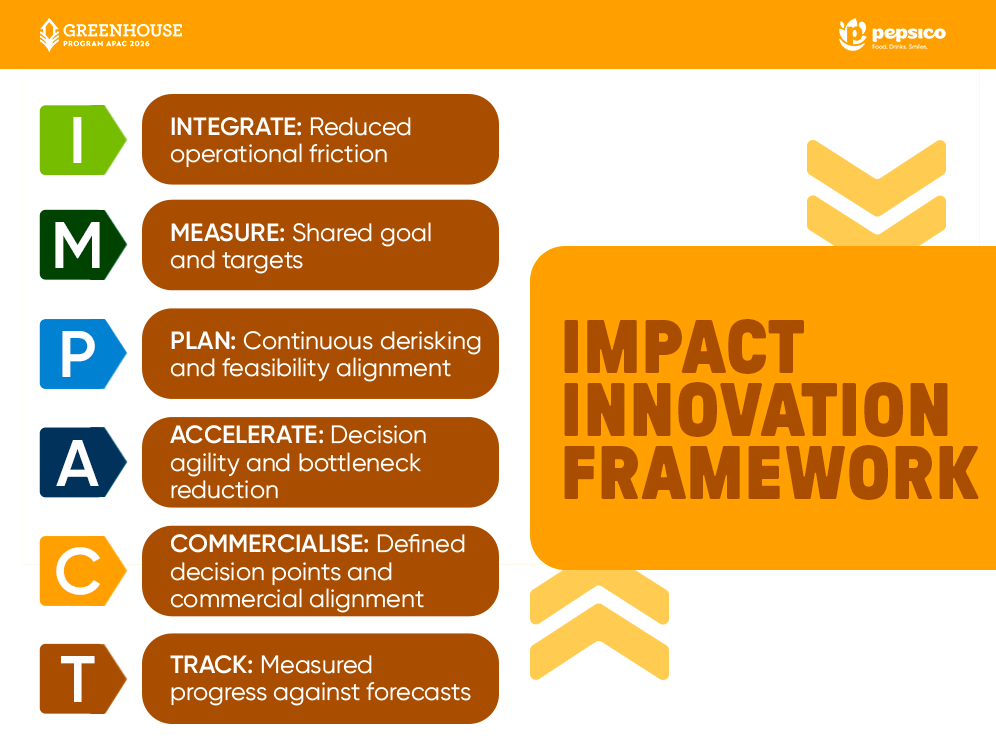
So, this year, we decided to design the PepsiCo Greenhouse APAC Program differently, creating the IMPACT Innovation Framework to reduce the friction that can slow startups’ ability to expand.
Innovation + Integration
The framework is straightforward. Six gated stages over seven months:
→ INTEGRATE
Get everyone in the same room from day one. Sustainability, supply
chain, R&D, procurement, operations, finance, legal. No sequential handoffs where things get lost in translation.
→ MEASURE
Agree on what success looks like upfront across PEP+ sustainability goals and business metrics, so we’re all working toward the same targets.
→ PLAN
Examine feasibility, cost implications, and compliance early, before we commit to scaling, de-risking as we go, not discovering issues later.
→ ACCELERATE
When roadblocks appear, work to remove them with faster decisions, clearer pathways and fewer bottlenecks.
→ COMMERCIALISE
Real conversations about real deployment with defined GO/NO-GO decision points, and commercial agreements with timelines.
→ TRACK
Measure what happens against what we say will happen across sustainability impact and business performance.
Customized Pathways, Gated Progression
The IMPACT Framework is customised according to the business and sustainability priorities each startup addresses across Agriculture, Climate, and Circularity.
The IMPACT Framework is stage-gated. Each gate has defined success criteria (technical, commercial, sourcing, stakeholder sign‑off)
with our cohortcompletingeach stage-gate before moving on to the next. The finalists work with PepsiCo senior leaders across sustainability, procurement, and supply chain, along with mentors from our business and our program partners, to review and guide their progress.
“In this region, the next wave of competitive advantage will come from how quickly we can turn practical innovation into scaled commercial outcomes.” – Anne Tse, CEO Asia Pacific, PepsiCo.
Testing the System, Not Just the Solutions
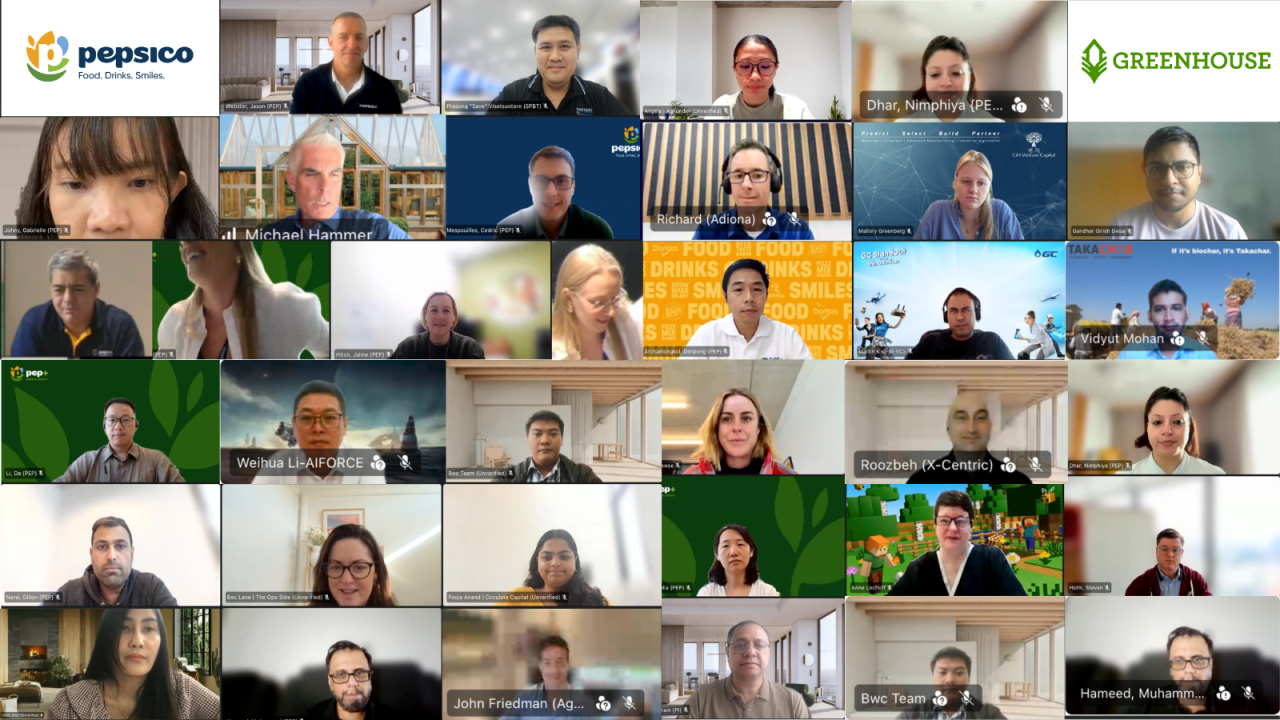
Our 2026 cohort: Adiona, Bali Waste Cycle, Beijing AIForce Tech,
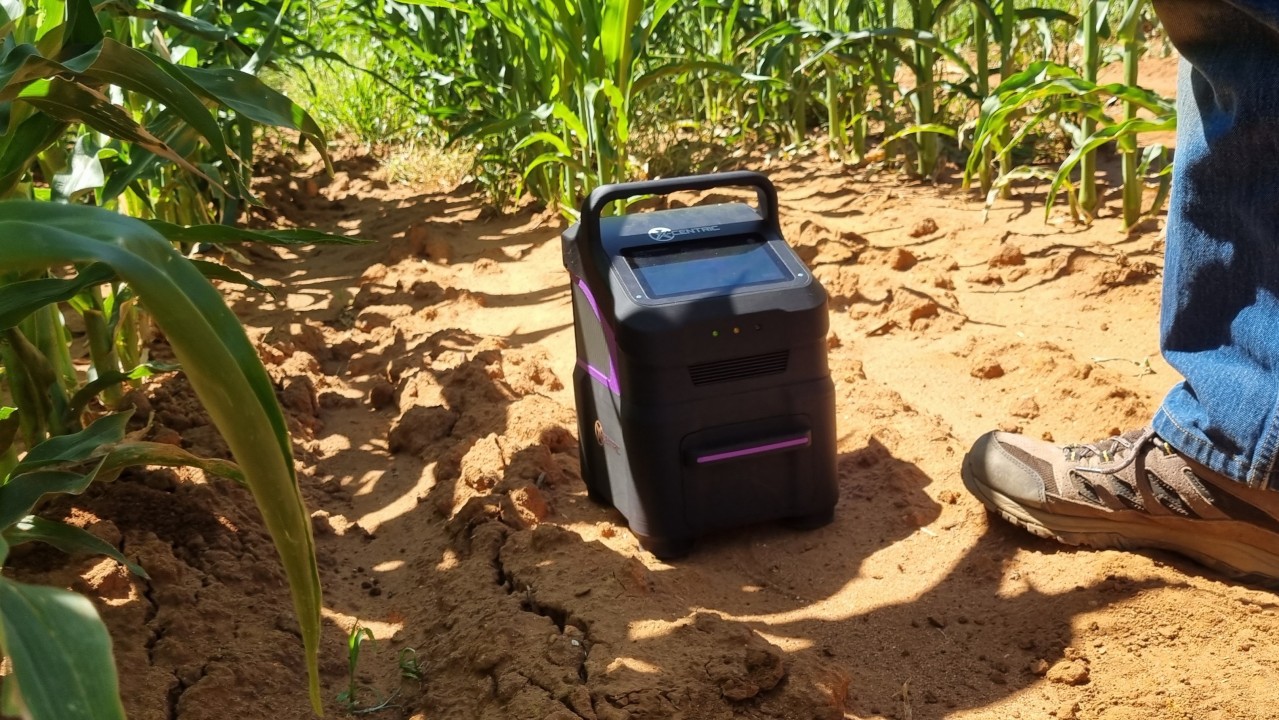
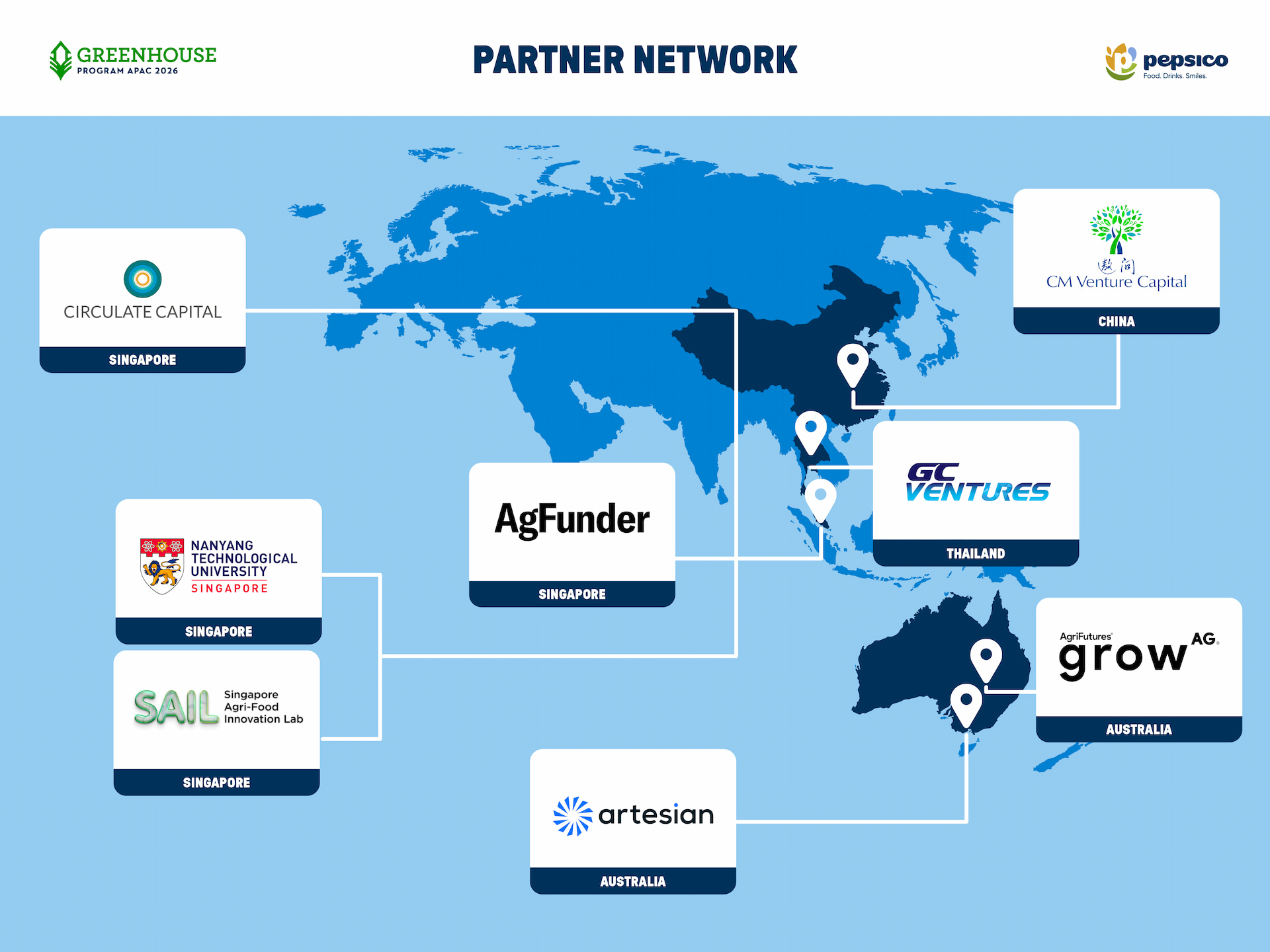
Takachar, and X-Centric are program alumni who’ve already piloted their solutions through the Greenhouse Program. Now, with the support of mentors from our business and our partner network, they’re working to move through the IMPACT framework towards commercial deployment and scale.
What We’ll Be Sharing
Over the coming months, we’ll share how they’re progressing, and what we’re learning along the way. And we’ll introduce the faces behind the program from our cohort founders, program mentors and partners.
The program will culminate in a showcase in Singapore in October where the cohort will share their progress against commercial and operational milestones to PepsiCo leaders, partners, and potential investors. This showcase will highlight innovation and measurable impact and aim to help the startups secure commercial commitments and unlock their next phase of growth.
Learn more about the PepsiCo Greenhouse Program APAC 2026 and join the conversation on LinkedIn.