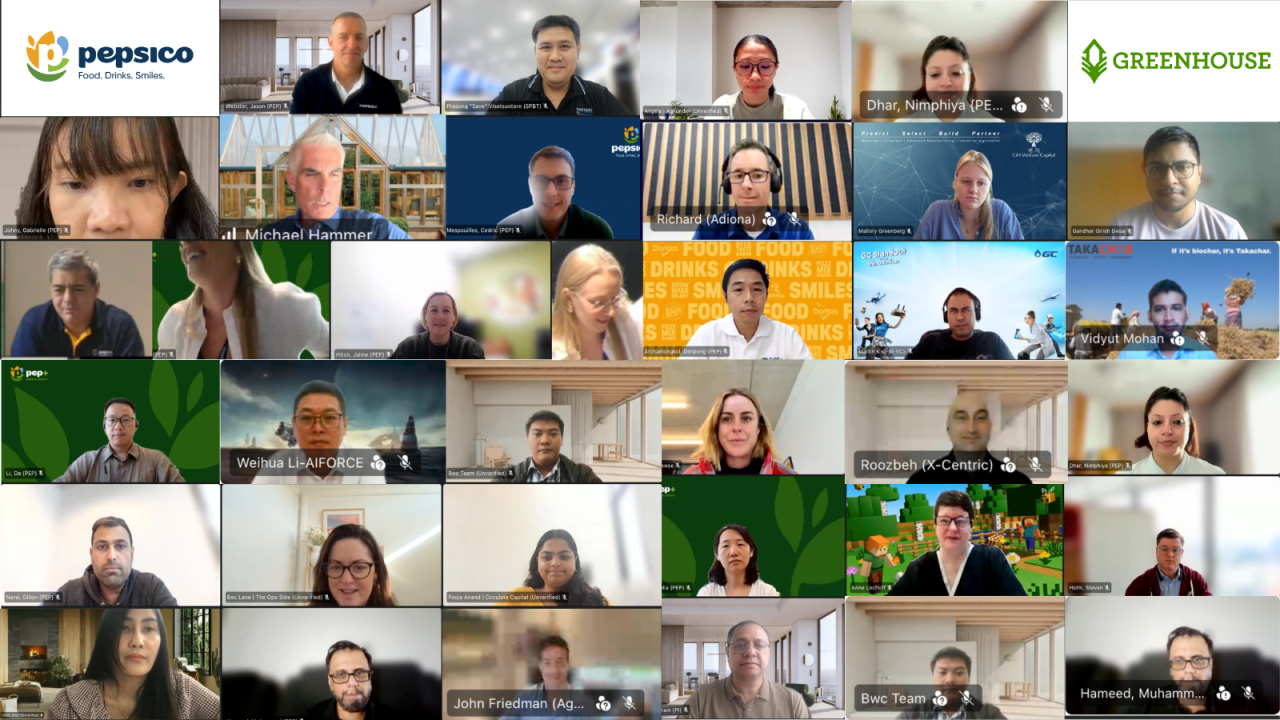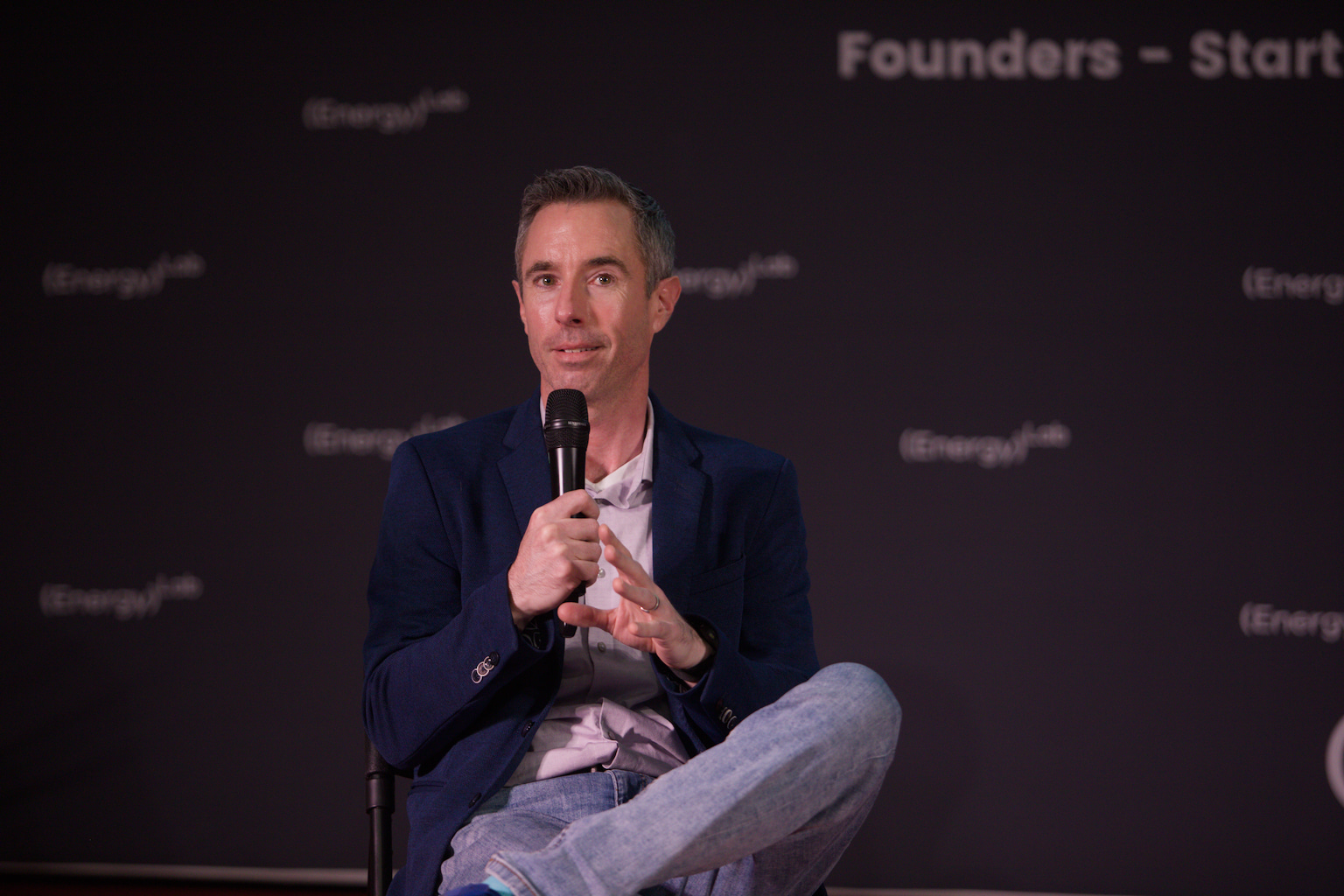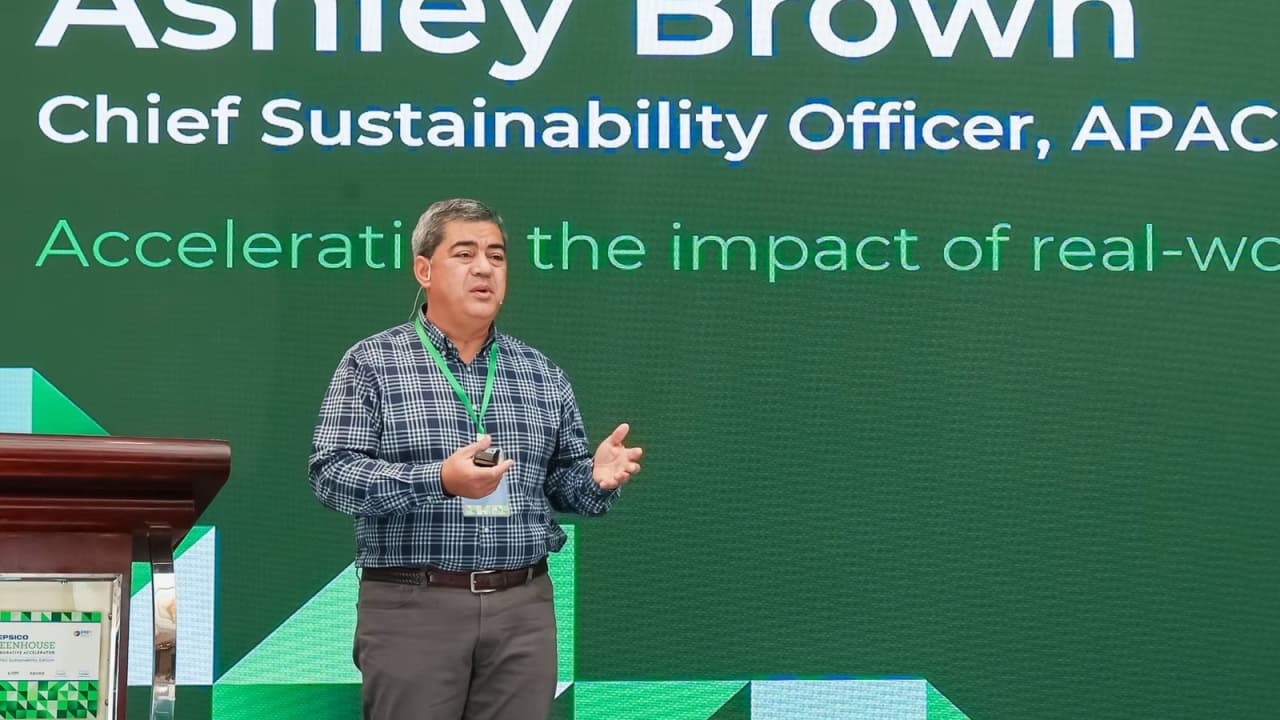


The IMPACT Edition introduces a more structured integration model, bringing proven alumni solutions into PepsiCo’s operations through coordinated execution, commercial pathways, and an expanded partner ecosystem.
23 April 2026 — PepsiCo has announced the next edition of its regional innovation platform with the launch of the PepsiCo Greenhouse Program APAC 2026: The IMPACT Edition, marking a shift from pilot-led experimentation to structured integration of startup solutions into its supply chain.
Now in its fourth year in APAC, the program builds on its track record of launching more than 22 pilots from over 30 startups, reflecting PepsiCo’s focus on testing emerging solutions within its operations. The 2026 IMPACT Edition marks a clear evolution in this approach: from introducing new concepts for validation to advancing demonstrated solutions towards commercial deployment and scale.
This year’s cohort is made up of five select PepsiCo APAC Greenhouse Program alumni who have been invited to join the seven-month-long program. These startups have already demonstrated potential within PepsiCo’s ecosystem, and can now focus on progressing their solutions towards commercial agreements, operational integration, and expansion across markets.
From Pilots to Execution: What’s Different in 2026
The IMPACT edition reflects a more deliberate approach to scaling innovation, addressing a common challenge across corporate-startup collaboration: how to move from successful pilots to real-world implementation.
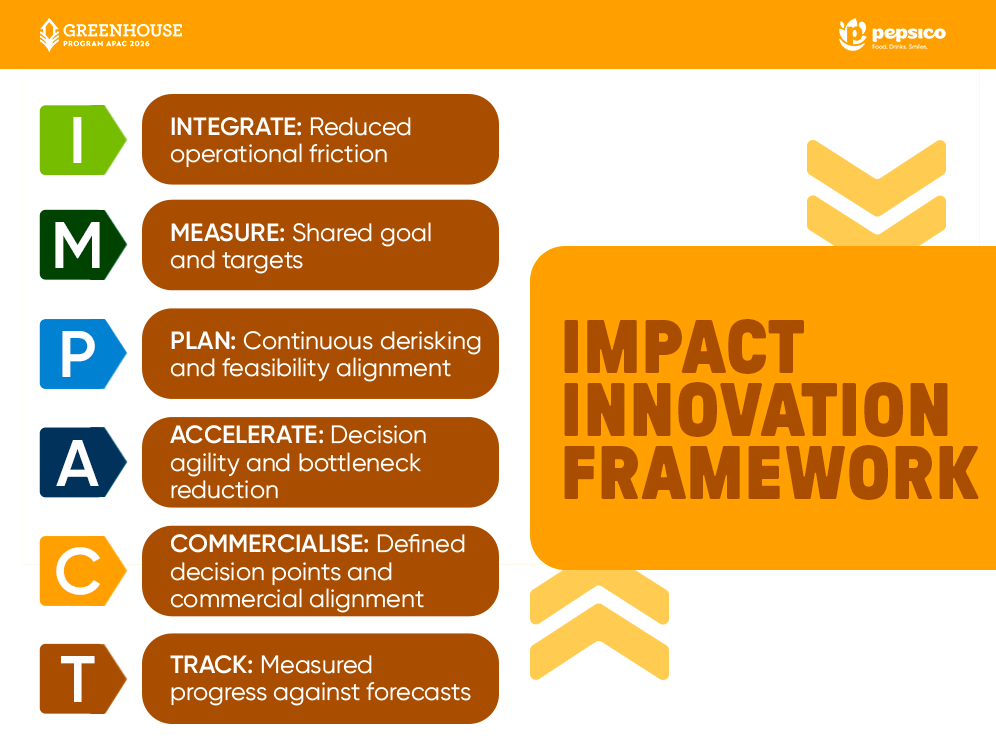
To enable this, PepsiCo has introduced a more structured operating model via its IMPACT Framework, which brings together cross-functional teams earlier in the process, spanning sustainability, supply chain, procurement, R&D, and operations. Rather than working sequentially, these teams align upfront on business priorities, technical feasibility, and commercial pathways, identifying whether a solution works and whether it can be deployed within PepsiCo’s system to deliver measurable impact. By doing this, startups can reduce the friction that often slows their ability to expand.
Additionally, each solution is anchored to PepsiCo’s pep+ (PepsiCo Positive) agenda, ensuring progress is tied directly to business and sustainability priorities across agriculture, climate, and circularity.
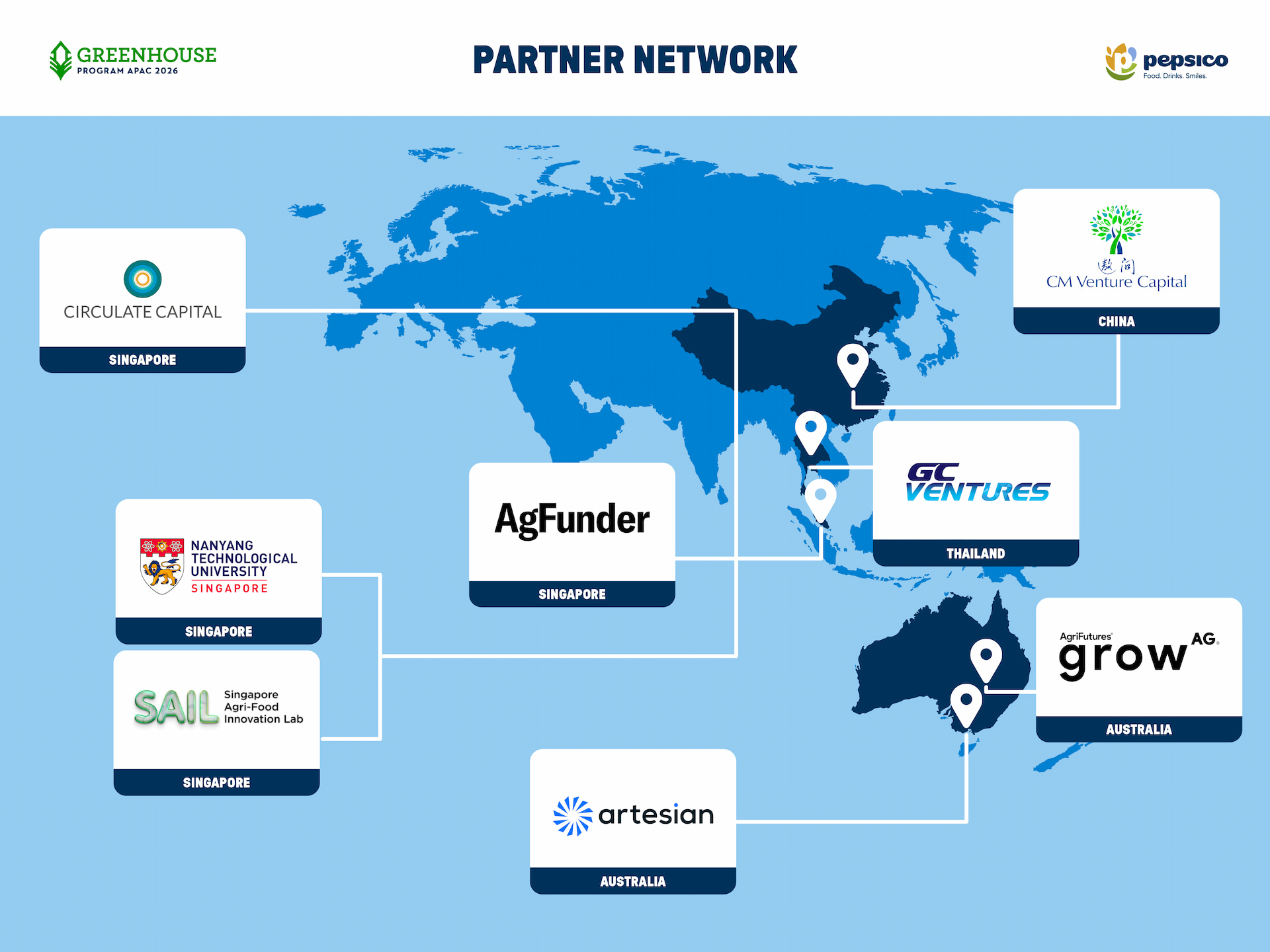
This ecosystem is further strengthened by an expanded network of partners across venture capital, agriculture, and innovation, who support project development, enable market access, and, where relevant, explore investment opportunities as solutions mature. These partners include Artesian, AgFunder Asia, SAIL (Nanyang Technological University Singapore), and AgriFutures growAG, alongside returning partners Circulate Capital, GC Ventures, and CM Venture Capital.
Together, these changes mark a shift from program-led experimentation to system-led integration, positioning PepsiCo as an active builder of an ecosystem that enables innovation to scale.
“In Asia Pacific, the next wave of competitive advantage will come from how quickly we can turn practical innovation into scaled commercial outcomes. Our priority is to focus on solutions that strengthen resilience in our value chain, accelerate execution in the market, and advance pep+ in ways that are measurable for both our business and our partners. This edition reflects a deliberate shift from exploring ideas broadly to backing the solutions most capable of creating strategic advantage across the region,” said Anne Tse, Chief Executive Officer, Asia Pacific, PepsiCo.
Selection for Scale: Why These Startups?
The five startups selected for the IMPACT Edition represent a progression of this updated strategy and have been chosen for their readiness to grow and demonstrated traction within PepsiCo’s ecosystem and partner network. The 2026 cohort was selected based on clear criteria: alignment to pep+ priorities, ability to deliver measurable impact, readiness for commercialisation, and feasibility of integration into PepsiCo’s supply chain.
For PepsiCo, this enables faster deployment of proven solutions that can strengthen operational resilience, while delivering against its sustainability agenda.
The five selected startups reflect a mix of solutions aligned to PepsiCo’s priorities across agriculture, climate, and circularity:
- Adiona (Australia, 2023 alumni)
- An AI-powered logistics optimisation platform improving route planning and fleet efficiency. Early deployments have delivered a 19% reduction in fleet distance travelled, with potential to reduce Scope 3 emissions across bottler networks.
- Bali Waste Cycle (Indonesia, 2025 alumni)
- Decentralised waste processing model enabling the recovery of low-value plastics, supporting Extended Producer Responsibility (EPR) readiness, and strengthening recycling supply chains.
- Beijing AIForce Tech (China, 2025 alumni)
- Electric agricultural machinery that automates key farming processes, enabling reductions in emissions and labour dependency while improving productivity for growers.
- Takachar (Thailand, 2024 alumni)
- Mobile technology that converts crop residues into biochar, reducing open burning while improving soil health, and enables carbon sequestration across agricultural supply chains.
- X-Centric (Australia, 2024 alumni)
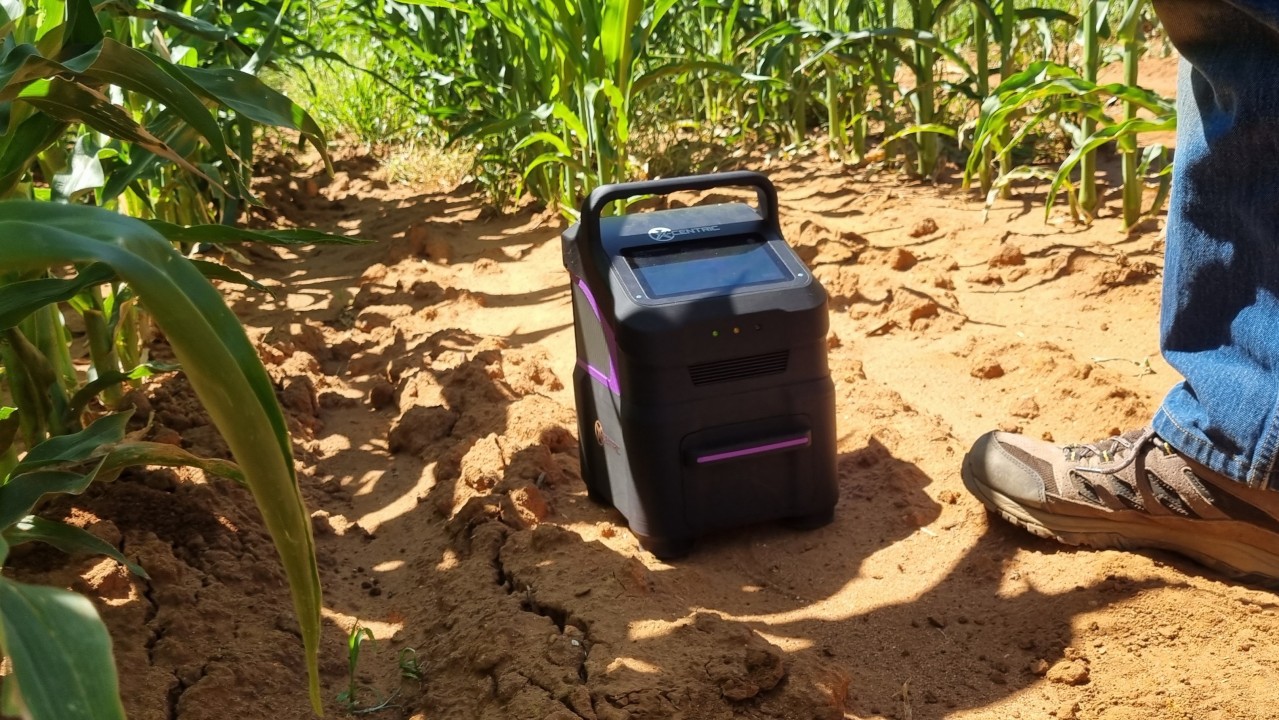
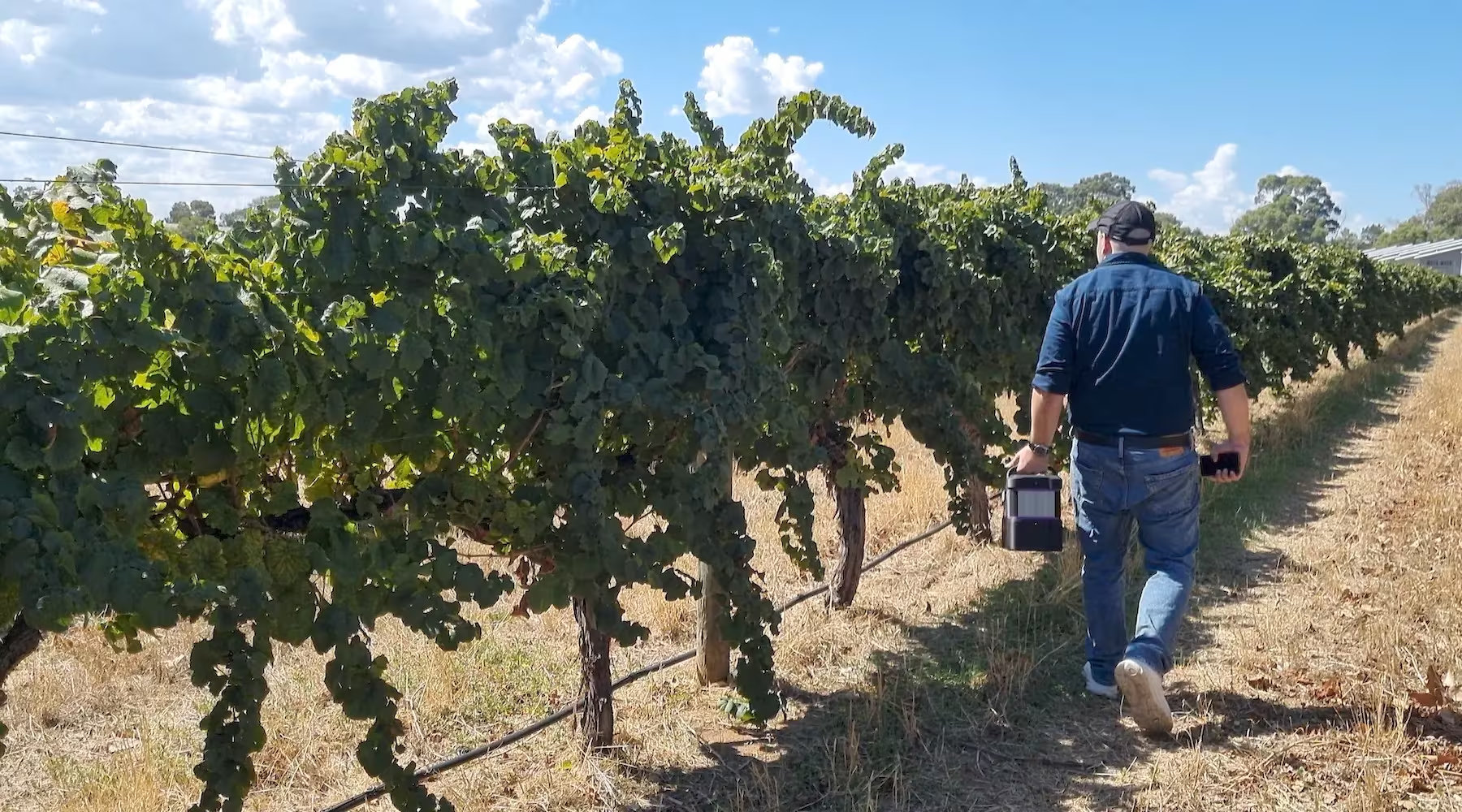
- Digital soil analytics platform enabling more precise soil health measurement, helping optimise inputs. This has the potential to support PepsiCo’s regenerative agriculture and Scope 3 ambitions.
The program will culminate in a final showcase in October, where the startups will gather in Singapore to present progress against commercial and operational milestones to PepsiCo leaders, partners, and potential investors. The showcase not only highlights innovation and measurable impact but also aims to help the startups secure commercial commitments and unlock their next phase of growth.
Follow PepsiCo on LinkedIn and join the conversation.
For media inquiries, please contact: Mutant for PepsiCo’s’ Greenhouse Program mutantpepsico@mutant.com.sg