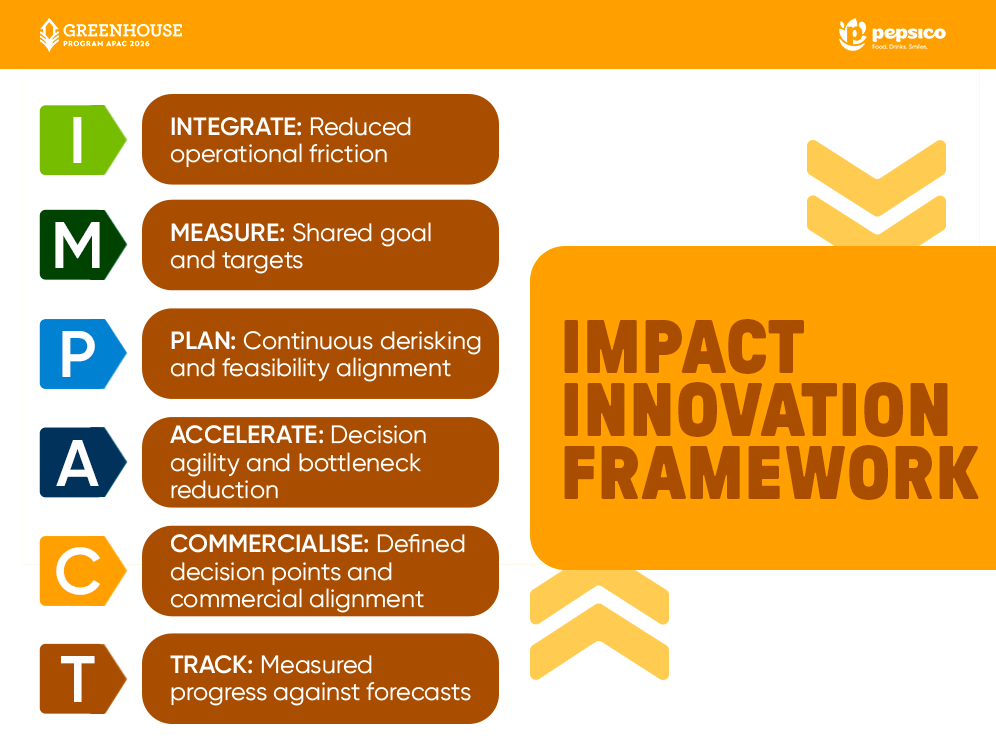

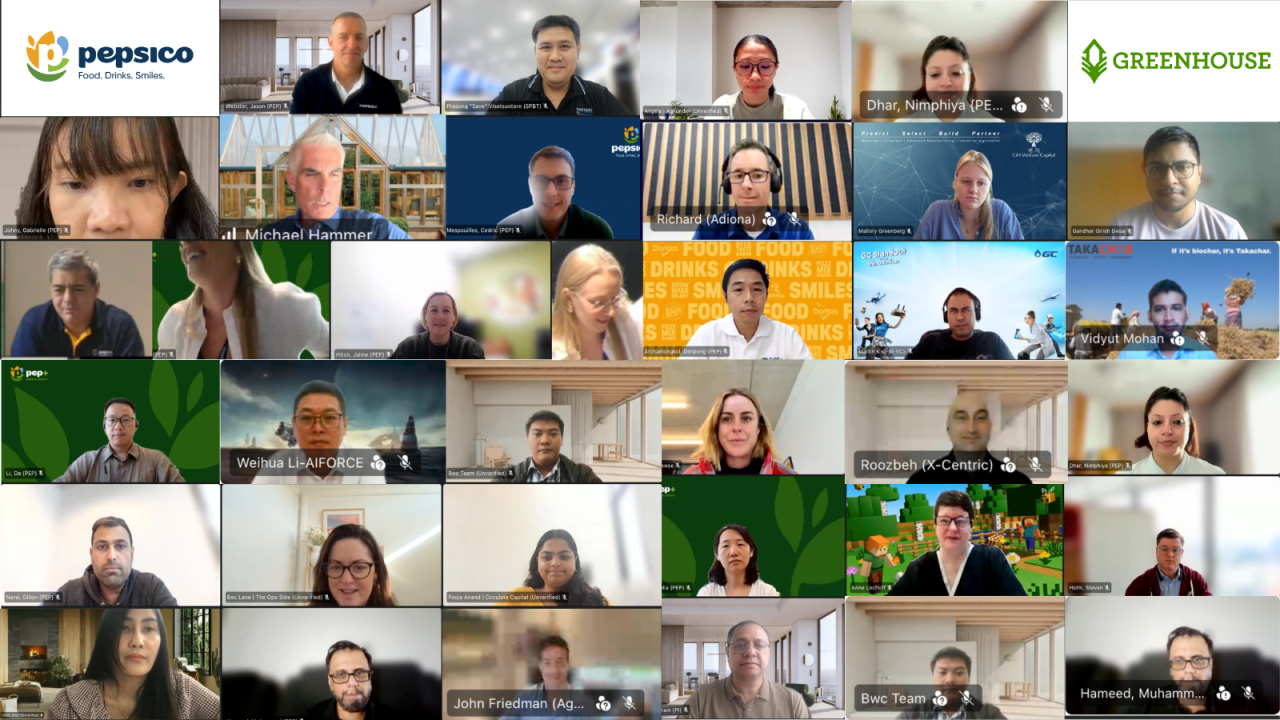
PepsiCo has marked the halfway point of this year’s Greenhouse Program APAC with a mid-program update on the cohort’s progress as they collaborate with cross-functional leaders to explore opportunities for operational integration across the Asia-Pacific region.
The update showcased how the five participating startups, whose solutions are aligned to PepsiCo Positive priorities across sustainable agriculture, circular packaging, and climate, are working towards embedding their innovations within PepsiCo’s operations and broader supply chain.
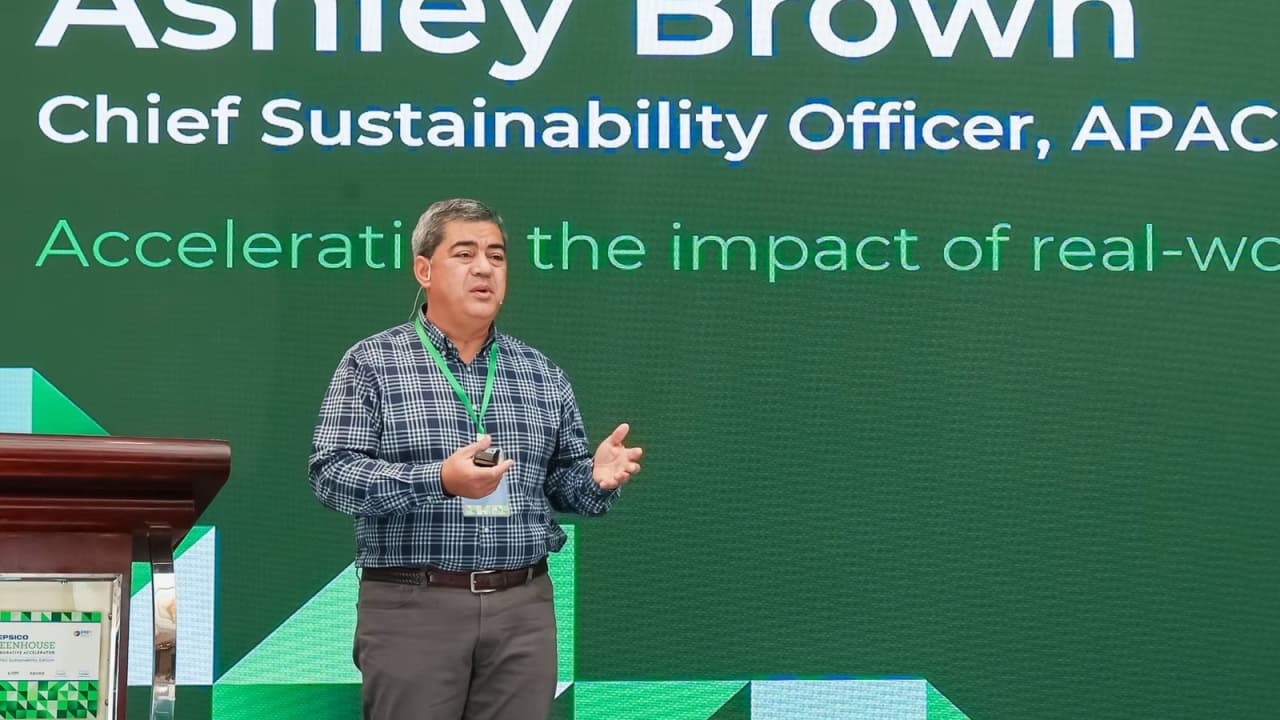
“Good ideas have never been the challenge, it’s always been how do we scale them inside our system,” said Ashley Brown, Chief Sustainability Officer, PepsiCo APAC. “The Greenhouse Program is built on real-world validation and structured interaction with PepsiCo leaders to accelerate from pilot to commercial reality.”
Startup Progress Reports: Five Solutions Exploring Impact
During the update, the five alumni startups presented their progress against commercial milestones:
Sustainable Agriculture

X-Centric Sciences (Australia)
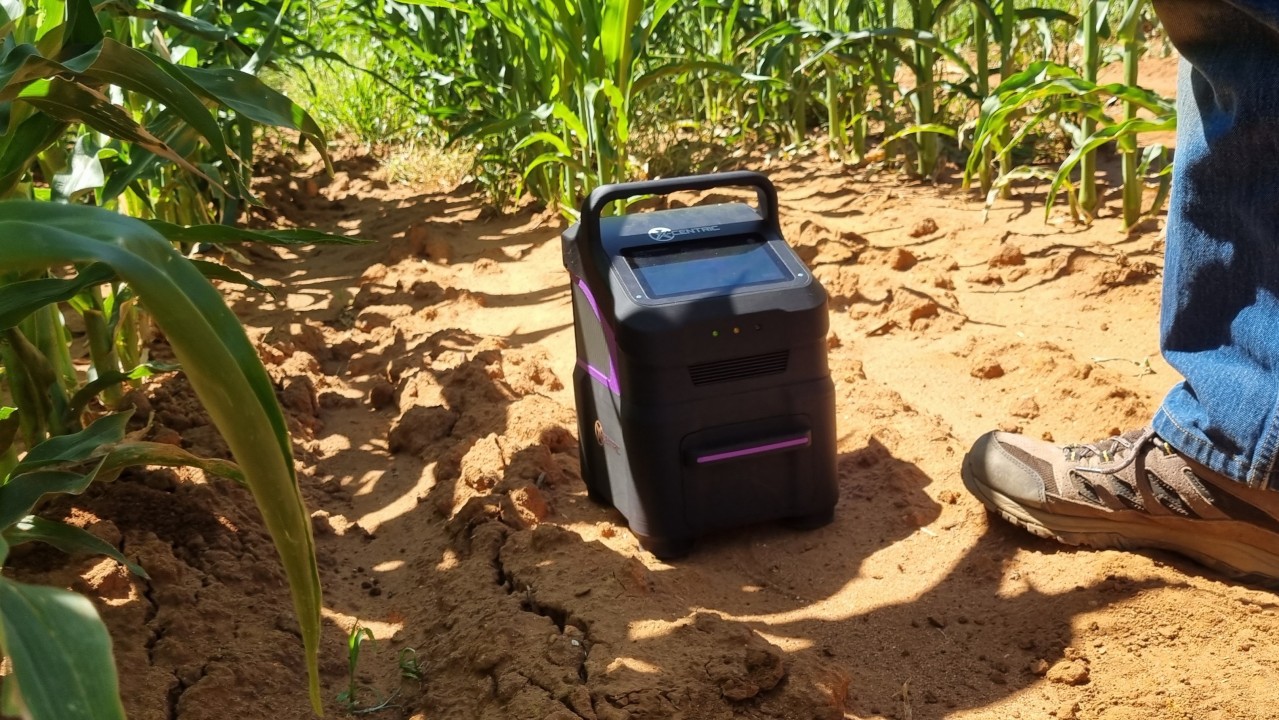
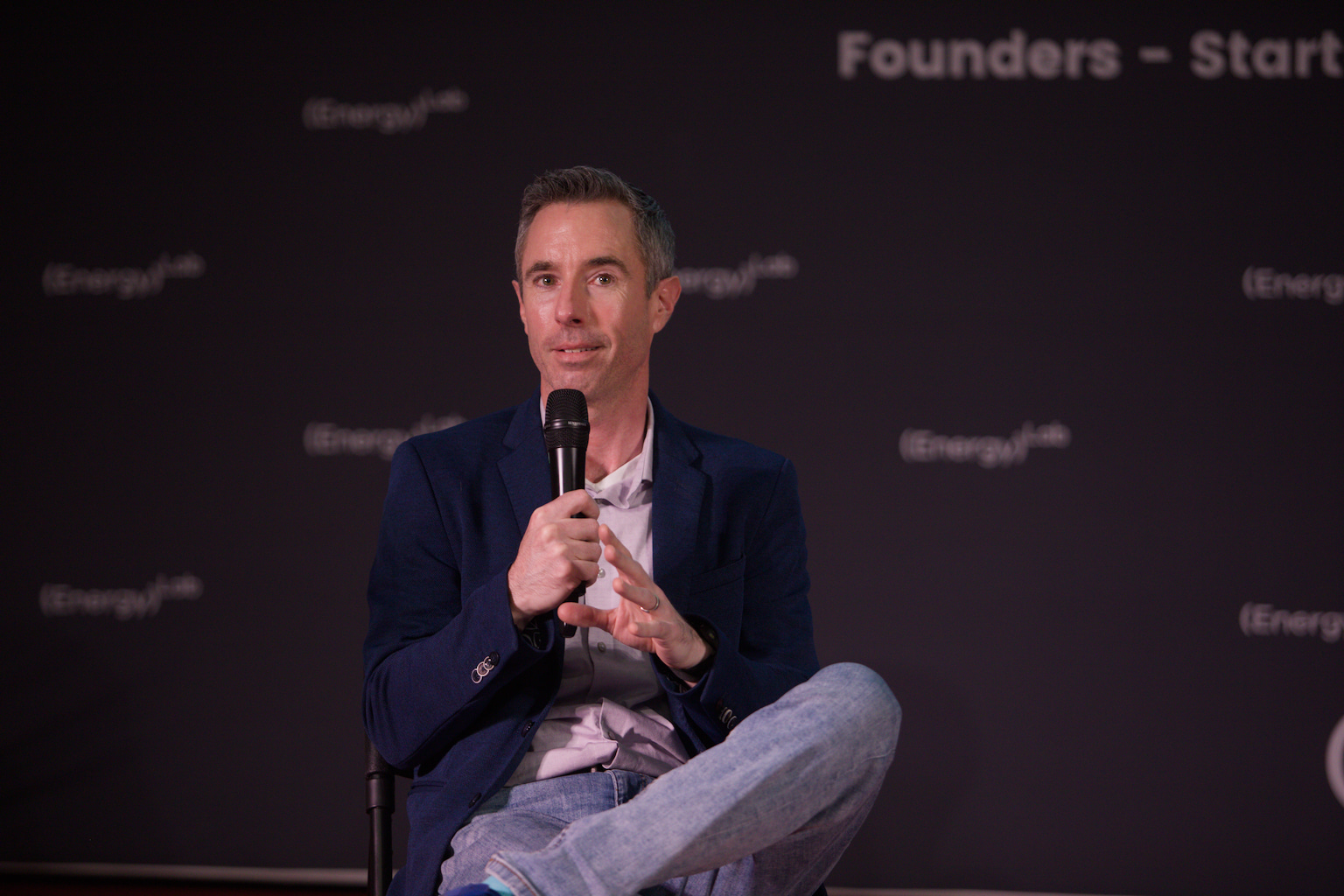
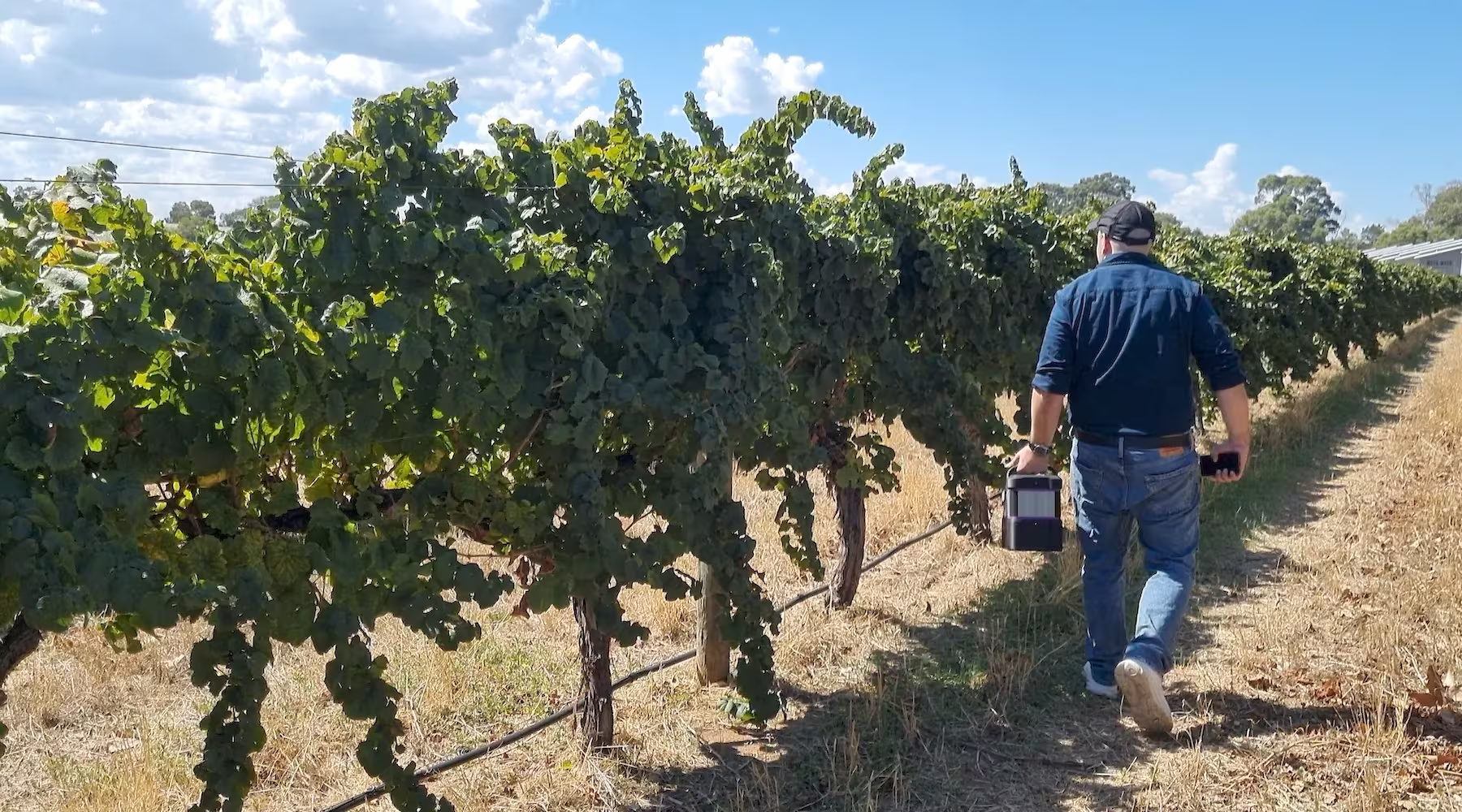
Co-founder Roozbeh Ravansari presented X-Centric Sciences’s portable digital soil analytics platform, which is designed to assess key soil nutrients and carbon indicators directly in the field. During the first half of this year’s program, the team developed new dashboard features focused on input economics and sustainability, including variable-rate fertiliser maps intended to support farm planning and decision-making. As the team noted, the work reflects its view that “smart data utilisation doesn’t require a trade-off between profitability and environmental responsibility.” Looking ahead, the focus is expected to be on further integrating the platform with PepsiCo’s agronomic workflows and continuing commercial validation across key farming regions.
Takachar (Thailand/India)
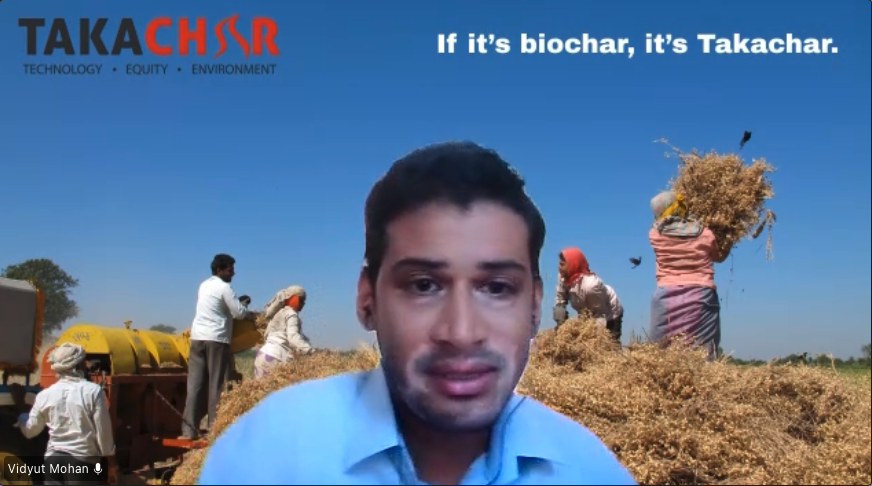
Co-founder and CEO Vidyut Mohan presented the ‘Takavator,’ Takachar‘s mobile hardware system designed to convert crop residues into biochar on-site, and shared progress on a specialised biochar fertiliser blend tailored for potato farmers supplying the Lay’s product line. The team has completed development of the blend and plans to pilot the solution across farms in India and Thailand in the coming months. Beyond the pilot, Takachar outlined a roadmap to explore broader commercial application in potato farming, subject to pilot outcomes and further validation, with the longer-term ambition of adapting the model for additional markets and agricultural value chains.

Beijing AIForce Tech (China)
Weihua Li shared data from field trials evaluating a range of autonomous electric tractors for potato vine cutting, harvesting and transport across potato farming operations supporting PepsiCo’s APAC business. Under the trial conditions, the results indicated the potential for lower energy costs compared with equivalent diesel-powered tractors. Alongside the technical work, the Beijing AIForce Tech team conducted on-site user surveys, hosted PepsiCo agricultural teams from Thailand and Vietnam at live demonstration sites, and held discussions to better understand market requirements and inform its international growth strategy. The next phase is expected to focus on further validating product performance across different applications and geographies while refining the business model as the team explores opportunities for international expansion.
Circular Packaging

Bali Waste Cycle (Indonesia)
Founder Olivia Anastasia Padang, ST.MBA outlined how, with the support of the PepsiCo squad team and Greenhouse grant, the Bali Waste Cycle team has advanced the development of applications for recovered flexible packaging materials across three strategic pathways. A pilot with the Denpasar City Government is being prepared for implementation. Tourism signage applications are being developed with hospitality partners as a potential second procurement pathway, while a warehouse pallet application continues to be assessed in collaboration with PepsiCo. Bali Waste Cycle estimates that, if these initiatives progress as planned, they could support the recovery of around 60 tonnes of flexible packaging annually, approximately doubling their 2025 volume. Over the next three to six months, the team’s focus is expected to be on progressing the government pilot, engaging potential commercial customers, refining the financial business case, and continuing the assessment of the warehouse pallet application with PepsiCo.
Climate
Adiona Tech (Australia)
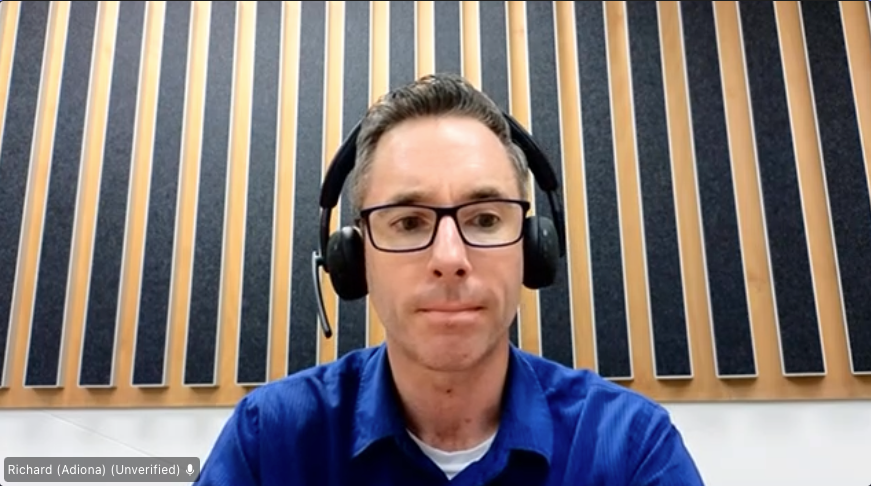
CEO and co-founder Richard S. presented results from AI-powered logistics routing trials conducted by Adiona alongside PepsiCo’s Queensland fleet operations. Based on mock-week scenarios run in parallel with daily routes at Tingalpa, the trials indicated the potential to improve route efficiency and reduce associated CO₂ equivalent emissions. The next phase is expected to focus on exploring opportunities to translate the Queensland pilot into day-to-day operations while assessing potential expansion to China’s Songjiang Mega DC Consolidation Project and the Thailand Suntory PepsiCo joint venture. Adiona’s API-first architecture is designed to integrate with existing technology environments, which may support implementation within PepsiCo’s existing technology ecosystem, subject to local requirements. If adopted, the solution has the potential to contribute to logistics efficiency and support PepsiCo’s broader pep+ sustainability ambitions.
Unlocking Growth Through Ecosystem Partnerships
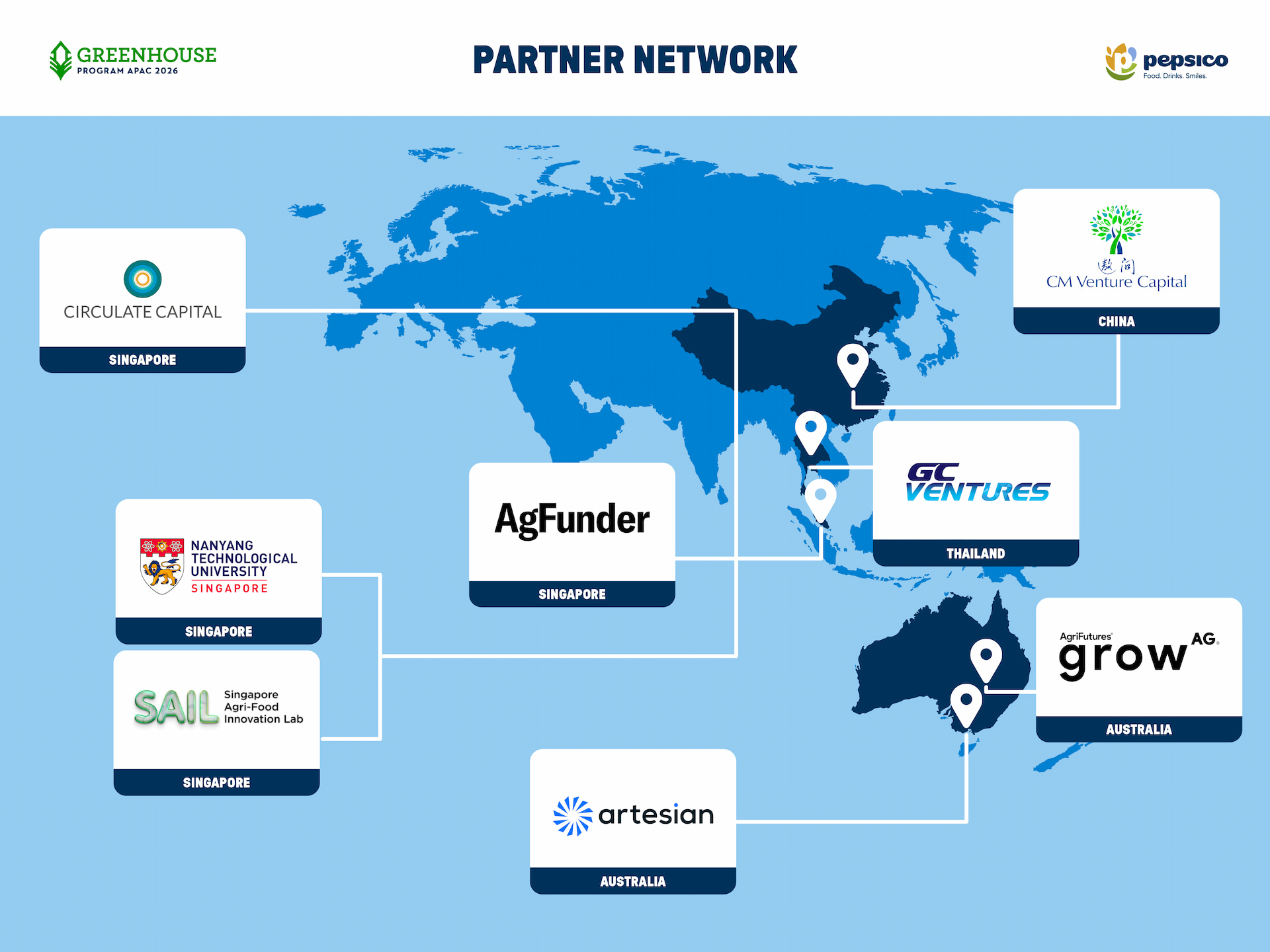
For the first time in the program’s four-year regional history, external venture capital, academic, and ecosystem partners were invited to join this mid-program milestone event.
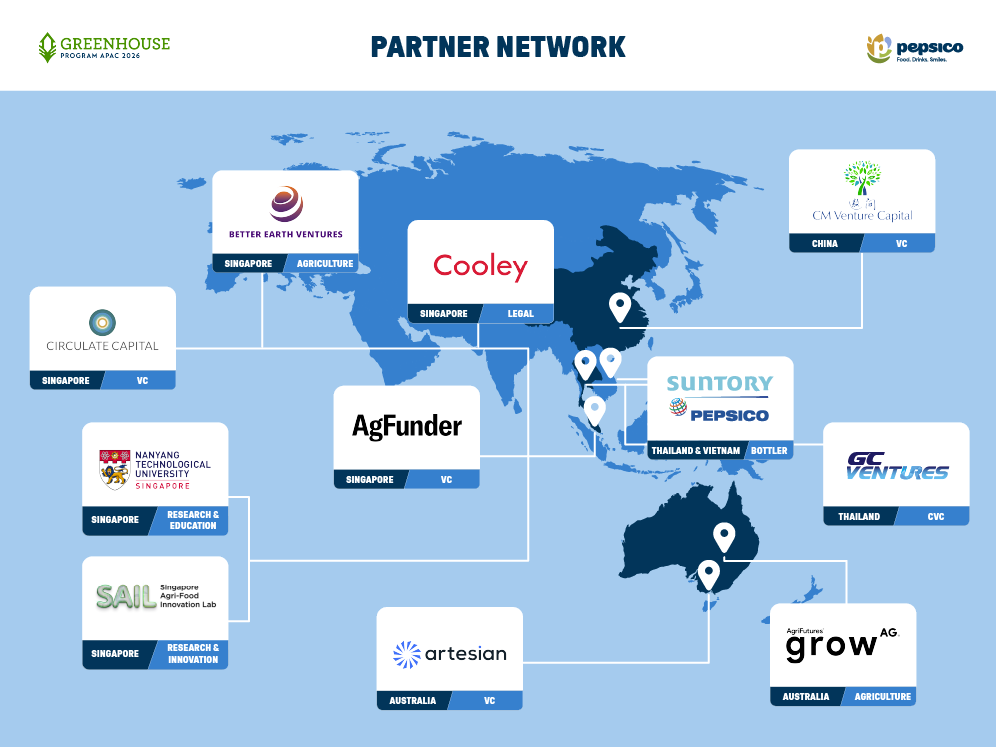
“The partners have done an incredible job in really leaning in and taking a look at each of the startups, providing guidance and assistance where there is alignment,” said Michael Hammer, MD, PepsiCo Greenhouse Program APAC.
As the program enters its second half, primary KPIs will include focusing on commercial contracts, vendor system onboarding, and regional cross-border scaling, supported by ‘squad teams’ of PepsiCo executives.
“What makes this program so unique is that startups have access to really senior people within the business,” said Milly Pearson, PepaiCo APAC Sustainability Manager. “If the startups see a roadblock or something that’s going to prohibit them from integrating, they can call that out and we will be there to support them and unlock those doors.”
Regional Showcase
The mid-program update also served to prepare the cohort for the final Regional Showcase in Singapore on October 15, an event that will convene founders, corporate executives, and venture partners to present final operational metrics and look to secure ongoing commercial commitments.
🔗 Register your interest to attend the invitation-only Regional Showcase.