
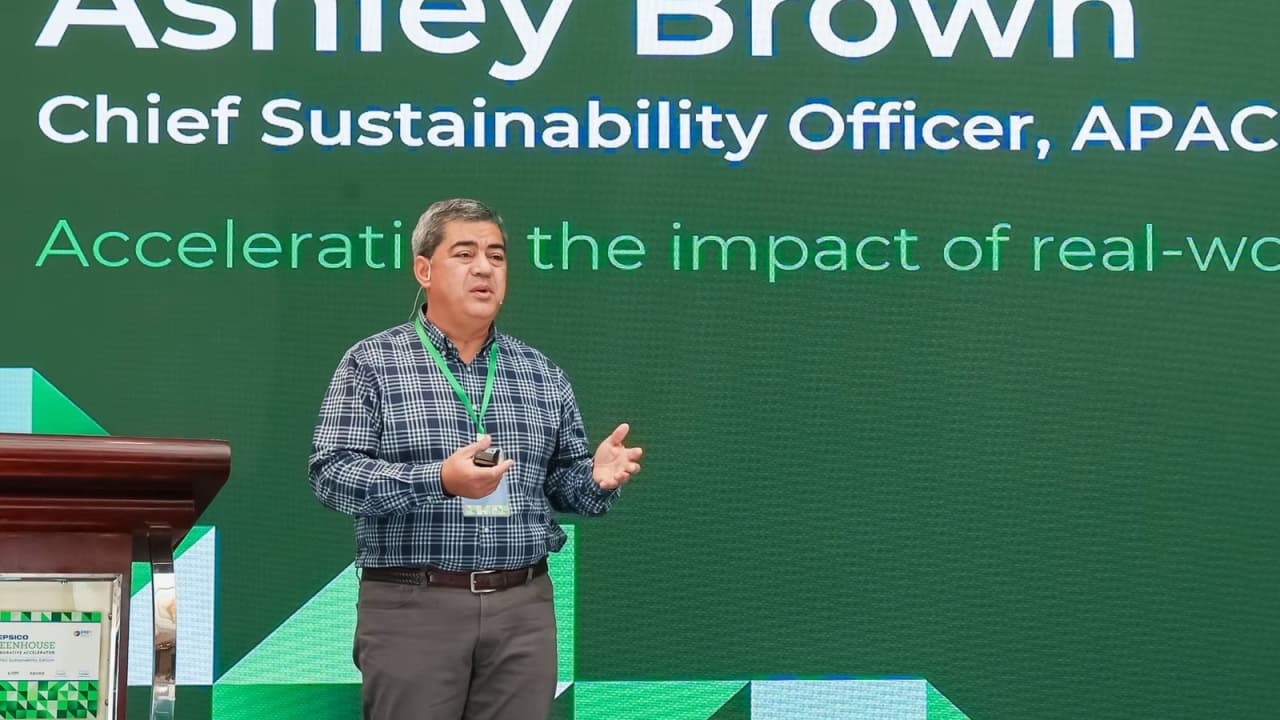
By Ashley Brown, Sustainability Vice President, Asia-Pacific and India, PepsiCo
- PepsiCo’s Greenhouse Program helps translate our pep+ sustainability strategy into real operational action, exploring how the selected solutions may support operational, procurement and supply-chain priorities.
- This year’s cohort tackles pressing global challenges: logistics efficiency, regenerative agriculture, emissions reduction, and circularity — all building blocks of future-ready businesses.
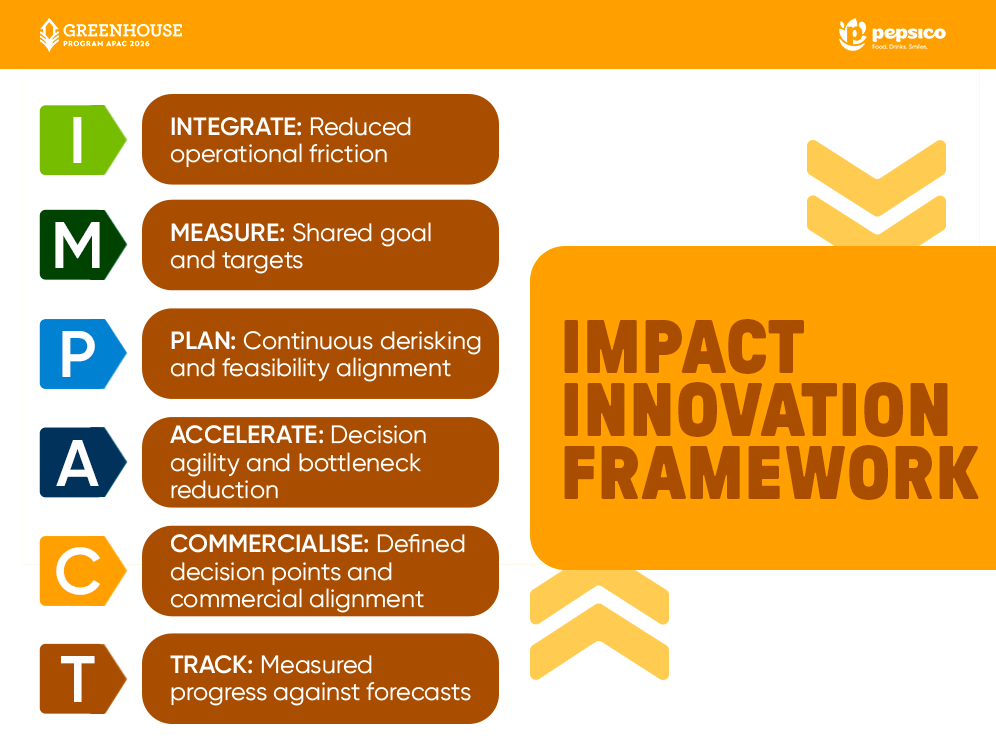
- Our IMPACT Framework and cross-functional mentorship model keep the program accountable, measurable, and aligned with our evolving operational needs — moving innovative ideas towards scalable, deployable solutions.
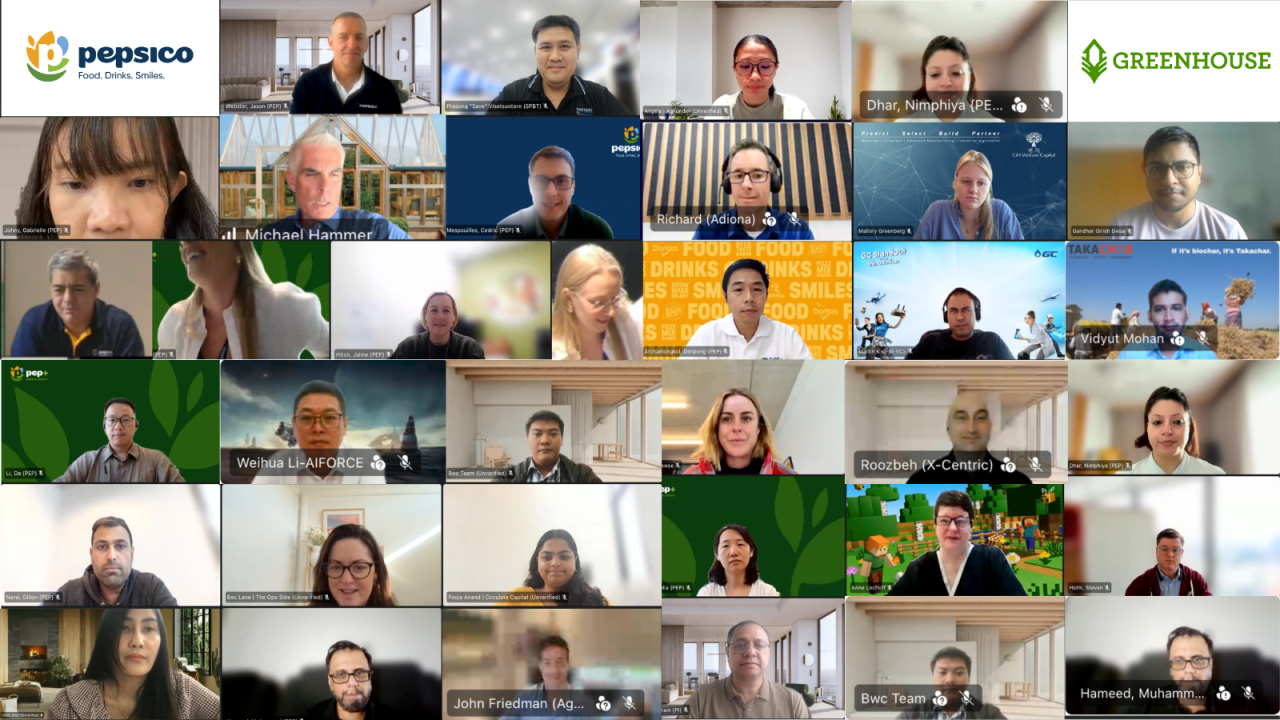
Against a backdrop of energy pressures and resource constraints, the food and beverage industry is seeking practical solutions that rethink operations from the ground up. In April, we launched the PepsiCo Greenhouse Program APAC 2026 – IMPACT Edition.
The Greenhouse Program helps translate our PepsiCo Positive (pep+) sustainability strategy into action, supporting us to embed environmental and social priorities into how we operate, procure and supply our products. The IMPACT Edition of the program marks a deliberate shift in how we approach innovation. Rather than casting a wide net across early-stage ideas, this year we brought back five alumni startups that have already demonstrated value within PepsiCo’s ecosystem across Asia Pacific to test pathways for moving their solutions out of the pilot phase and into active exploration of operational integration within our supply chain.
Learning from the Past: Why We’re Doubling Down on Alumni
Over three years and more than 22 pilots with more than 30 startups, the Greenhouse Program has built a body of learnings. Key among them:
- Success isn’t solely about technology; it hinges on how well innovation aligns with the complex realities of day-to-day operations.
- Solutions that connect to tangible operational outcomes and integrate naturally into existing systems for productivity, efficiency, or emissions reduction are the ones that show the strongest potential to create operational and sustainability value.
The IMPACT Edition is built on those insights.
Readiness, Relevance, and Strategic Fit
Selection for this year’s cohort was based on a structured assessment of readiness to scale and strategic alignment with PepsiCo’s most pressing priorities.
Each of the five alumni startups was chosen for their fit across three critical areas: agriculture and grower resilience, climate adaptation, and sustainable packaging. These priorities sit at the heart of PepsiCo Positive (pep+), the company’s end-to-end sustainability transformation spanning farming, manufacturing, and logistics across the region.
A Collaborative Route to Deployment
What makes the IMPACT Edition distinct is not just who was selected, but how we are working together. By partnering with startups that have already navigated PepsiCo’s operational environment, we can move beyond the pilot mindset and explore what structured, scaled integration actually looks like — through robust governance frameworks, deep cross-functional partnerships, and iterative learning cycles.
Critically, our operational teams are being brought in early, so that sustainability and commercial considerations are explored in parallel rather than in sequence. This collaborative approach is designed to compress the path from validated concept towards potential deployment, turning innovation into measurable progress for both our business and our startup partners.
That is why the IMPACT Edition focuses exclusively on alumni. By working with startups that have already demonstrated value in previous APAC pilots, we can shift our focus toward a structured, collaborative route to deployment and test what scaled integration might look like through partnerships, governance, and iterative learning.
Tech for Right-Now Challenges
This year’s cohort is tackling pressing global challenges across logistics efficiency, regenerative agriculture, emissions reduction, and circularity. We are systematically exploring how these innovations might integrate with our network, step-by-step:
- Adiona: Using AI-optimised logistics with the aim of improving route planning and fleet efficiency. We are studying how these tools could reduce fleet distances travelled across bottler networks, and build supply chain resilience.
- Bali Waste Cycle: Employing a decentralised model to recover low-value plastics. We are assessing how their tech can support our Extended Producer Responsibility readiness and fit into our broader packaging and waste management approaches.
- Beijing AIForce Tech: Developing electric agricultural machinery designed to automate key farming processes and help to reduce emissions and labour dependency, while contributing to grower productivity. We are examining the operational feasibility and consequent impacts of utilising this tech.
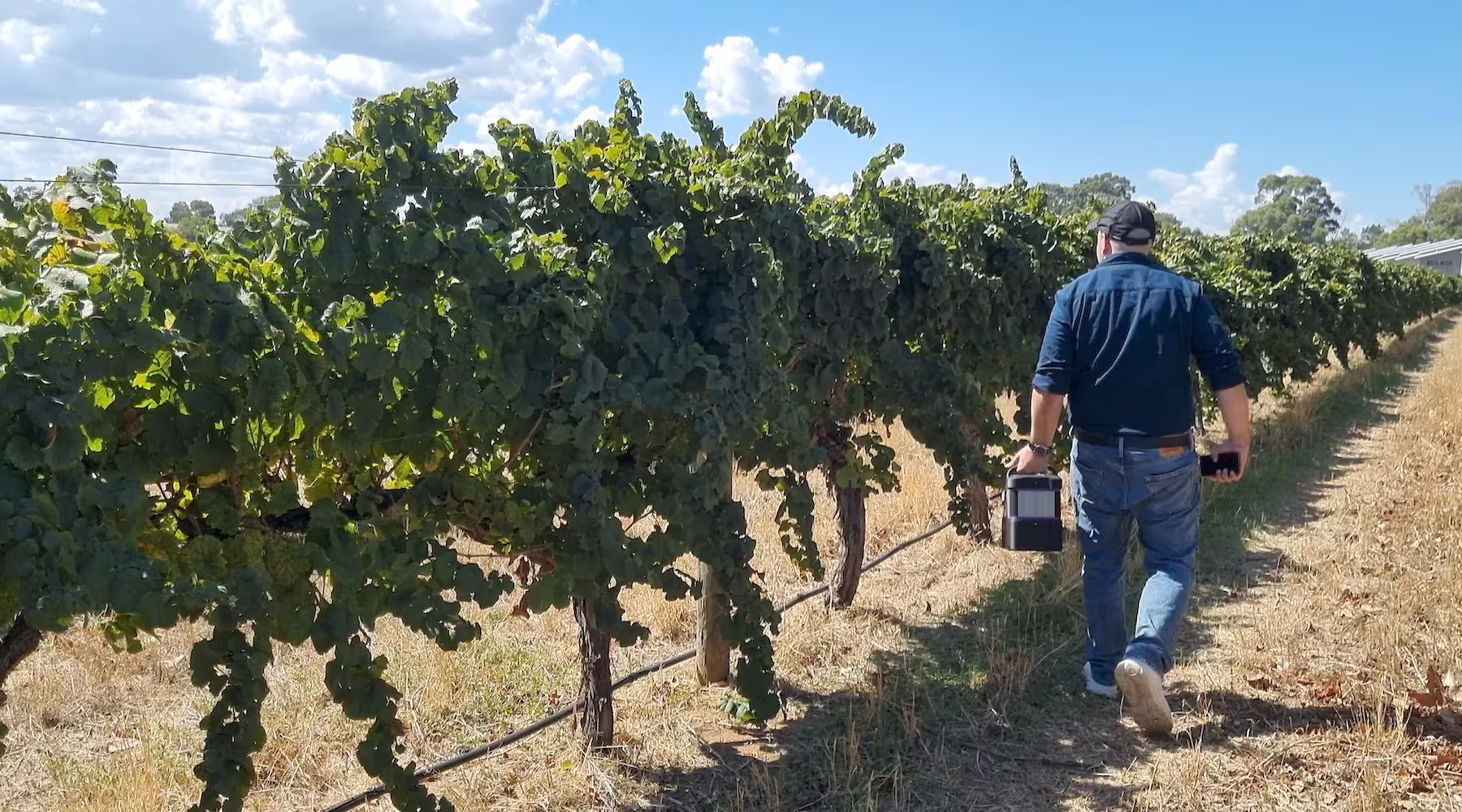
- Takachar: Creating mobile technology that aims to convert crop residue into biochar-based soil amendments, supporting reduction of open burning, working towards improved soil health and the potential to support carbon-storage benefits. We are exploring how this tech could help reduce agricultural dependence on imported soil inputs, and improve soil health, within specific regional contexts.
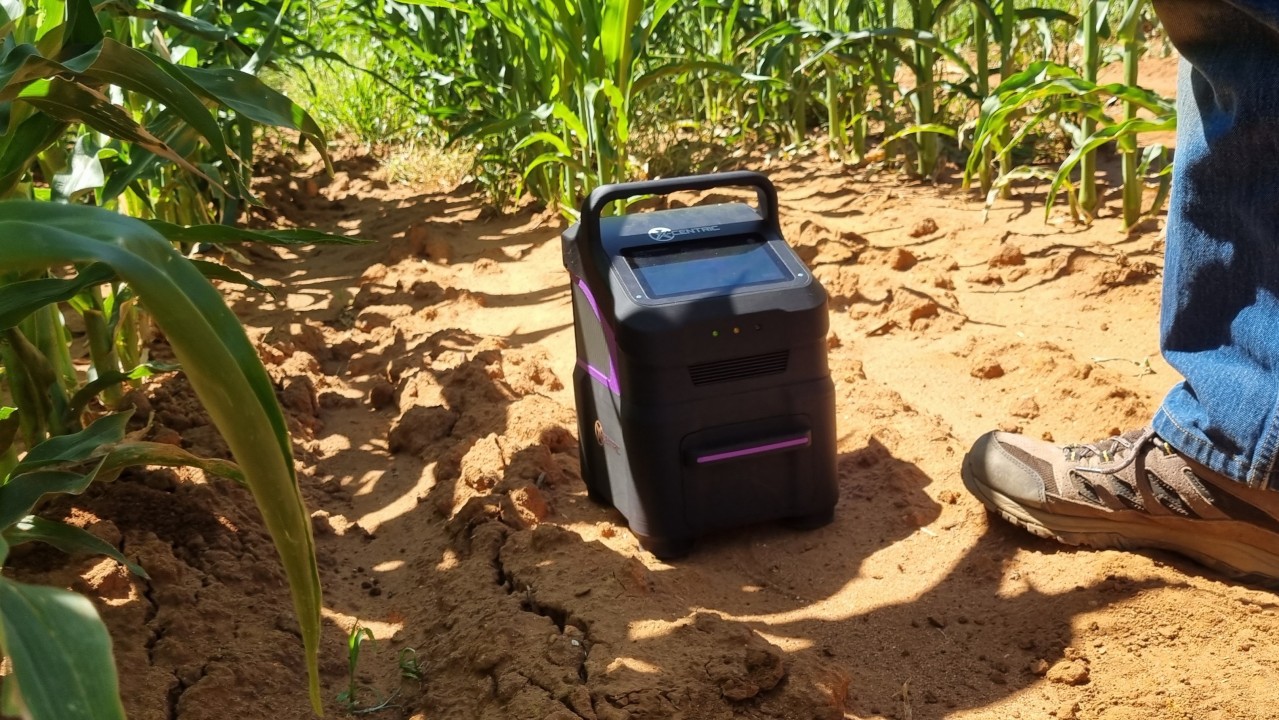
- X-Centric Sciences: Exploring the use of advanced digital soil health measurements to help inform farming input decisions. We are continually evaluating how this data might support lower-impact agricultural practices.
The Ecosystem Enabling Integration
Moving innovation from a controlled pilot toward active supply chain integration requires structure while acknowledging the inherent uncertainties of scaling. To guide this, we’ve implemented an IMPACT Framework that defines governance and metrics to keep collaborations aligned with our evolving operational realities.
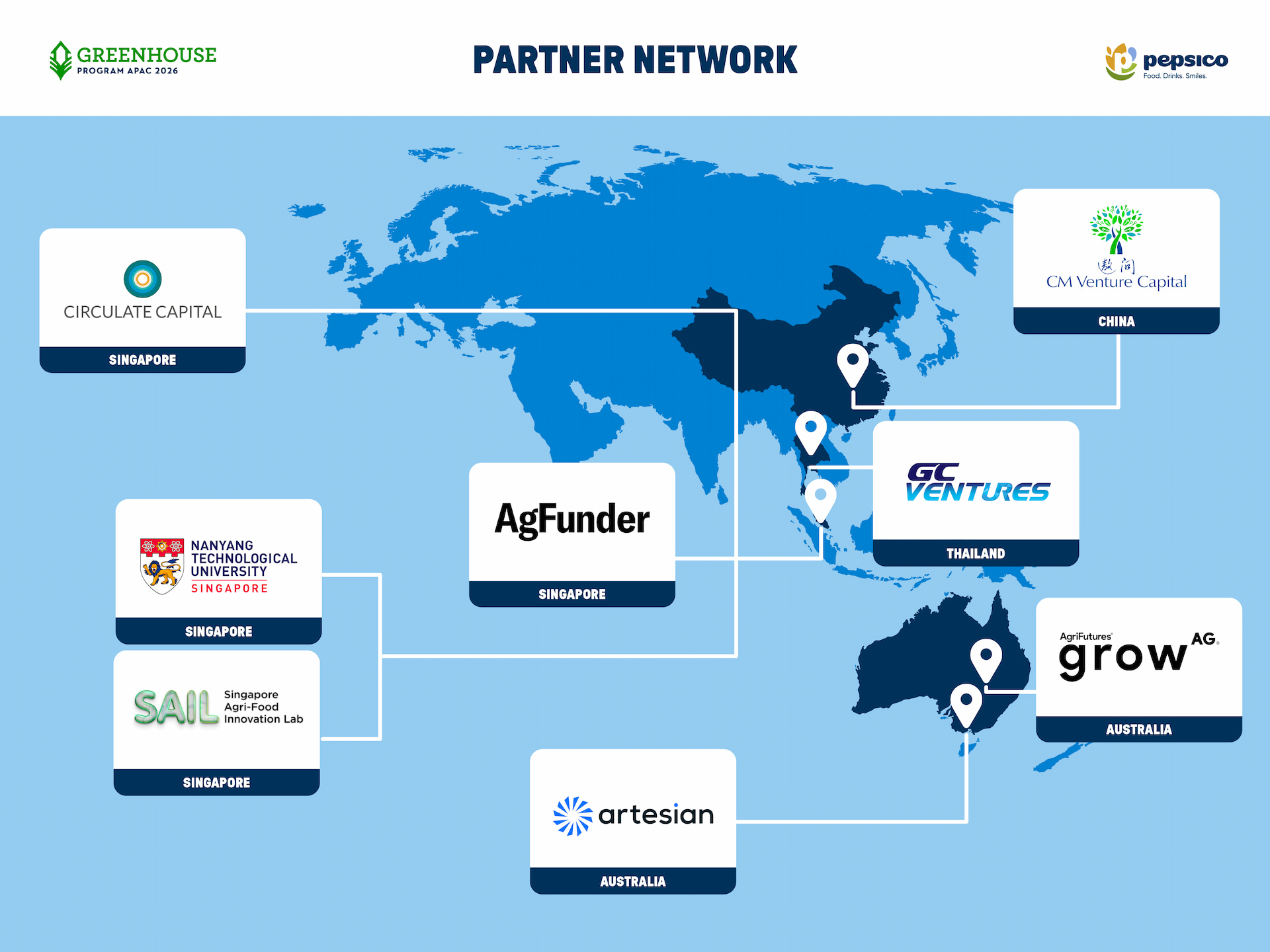
We pair each startup with cross-functional mentors from across PepsiCo who understand exactly how change unfolds in our plants, supply chains, and networks. This ensures we prioritise practical progress over theoretical guidance. Collaboration with these startups, alongside our program partners, allows us to test scalable deployment while maintaining crucial pause points for learning and assessment.
Paving a Collaborative Path Forward
The Greenhouse Program APAC is designed as an evolving ecosystem. Through the IMPACT Edition, we are testing possibilities, monitoring progress, and learning exactly what it takes to integrate emerging tech into a multinational supply chain.
By doing this groundwork – modelling practical routes for aligning sustainability with growth and sharing our learnings – we hope to demonstrate what is possible when agile innovation meets operational scale.
I’m grateful to our internal teams, program partners, and cohort startups as we learn, adapt, and strive toward deployment that delivers impact and business value.
🌱 If you’d like to discuss the program further, I’d be glad to connect via my LinkedIn profile.