

PepsiCo Greenhouse Program
Asia-Pacific 2026
The IMPACT Edition
The 2026 edition of the PepsiCo Greenhouse Program Asia-Pacific is designed to help sustainability solutions move beyond validation and towards real-world adoption.
Focused on agriculture, climate and circularity, the program connects innovators with PepsiCo, strategic partners and industry expertise to accelerate environmental and commercial impact across the region.
Explore the program
Meet the 2026 Cohort
The 2026 IMPACT Edition brings together startups developing solutions across agriculture, climate and circularity. Selected for their potential to address real-world sustainability challenges, the cohort will work alongside PepsiCo, strategic partners and industry experts to explore pathways towards broader adoption and impact.


Greenhouse APAC Alumni


Service Enviro SCAD
Versatile SCAD treatment solution stabilizes organic waste, eliminates odors, and recovers organic matter on an industrial scale, with a focus on improving soil health in agriculture.
Shanghai Electric
Single-tank molten salt energy storage system uses off-peak electricity to generate zero-carbon steam for industrial and commercial applications.


DATABEYOND
AI visual sorting technology combined with high-speed conveyors and a proprietary recyclable materials database for the recycling industry.


Endua
Modular electrolyser technology for decentralized green hydrogen production, enabling cost-effective and scalable hydrogen solutions.


DEEGOLABs
Improves existing inefficiency in recycling processes by using AI-based sorting technology to select recyclable resources from discharged plastic.
Bali Waste Cycle
Operates a circular economy ecosystem integrating waste management, renewable energy conversion, and plastic upcycling.


Circular Unite
Utilizes AI, machine learning, and data analytics to optimize waste sorting, material recovery, and circular economy initiatives, including a waste-to-resource marketplace.

Beijing Phabuilder Biotechnology Co., Ltd
PhaBuilder Biotechnology produces PHA, a biodegradable, bio-based plastic alternative that decomposes fully in natural environments without leaving microplastics.
Beijing AIForce Technology Co
VOLTOR Intelligent Electric Tractor agricultural equipment combines new energy and AI technologies. It uses pure electric power to achieve zero carbon emissions.
our focus areas
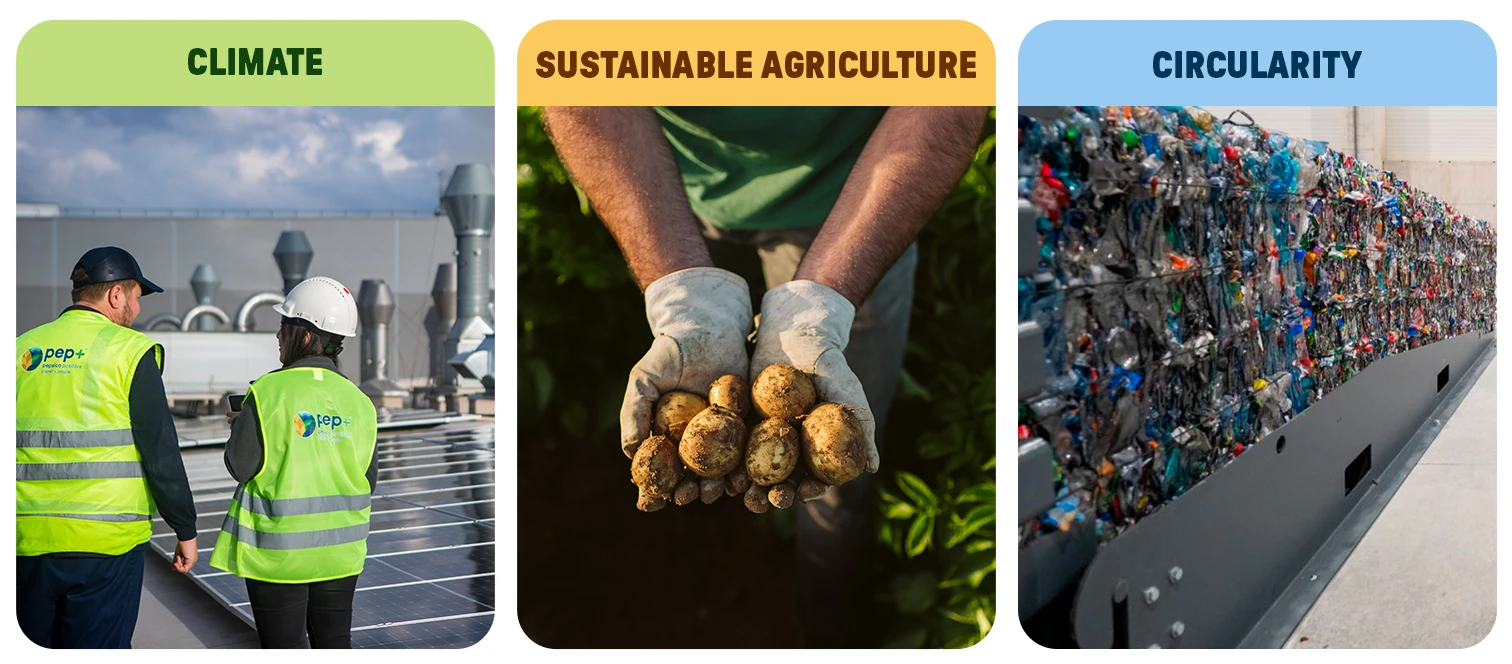
The APAC program focuses on three areas shaping the future of sustainable innovation.
Circularity
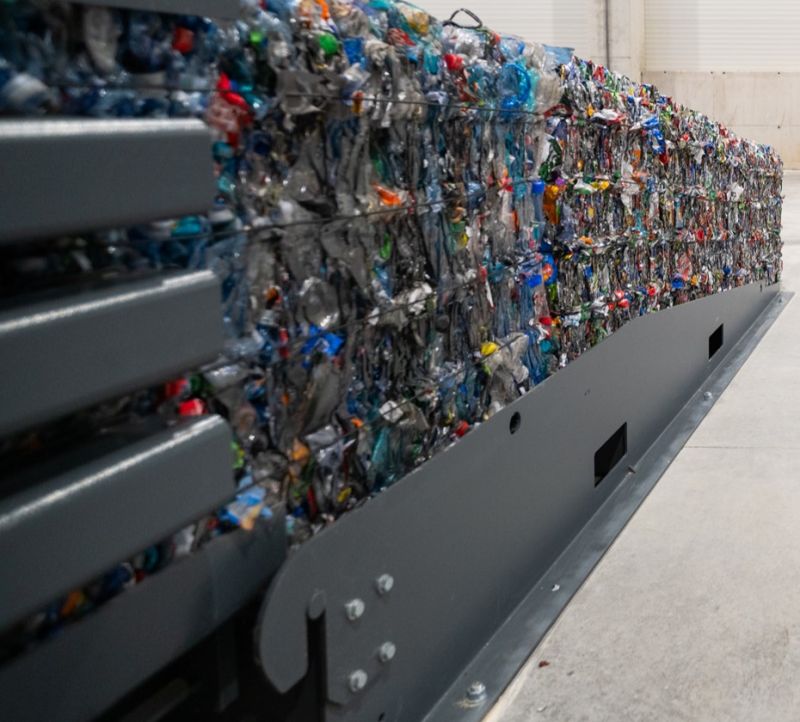
Plastic collection and sortation to improve yield of recycling feedstock
Reusable and innovative packaging models
Advance plastic recycling technologies
Recycling value chain solutions
Sustainable agriculture
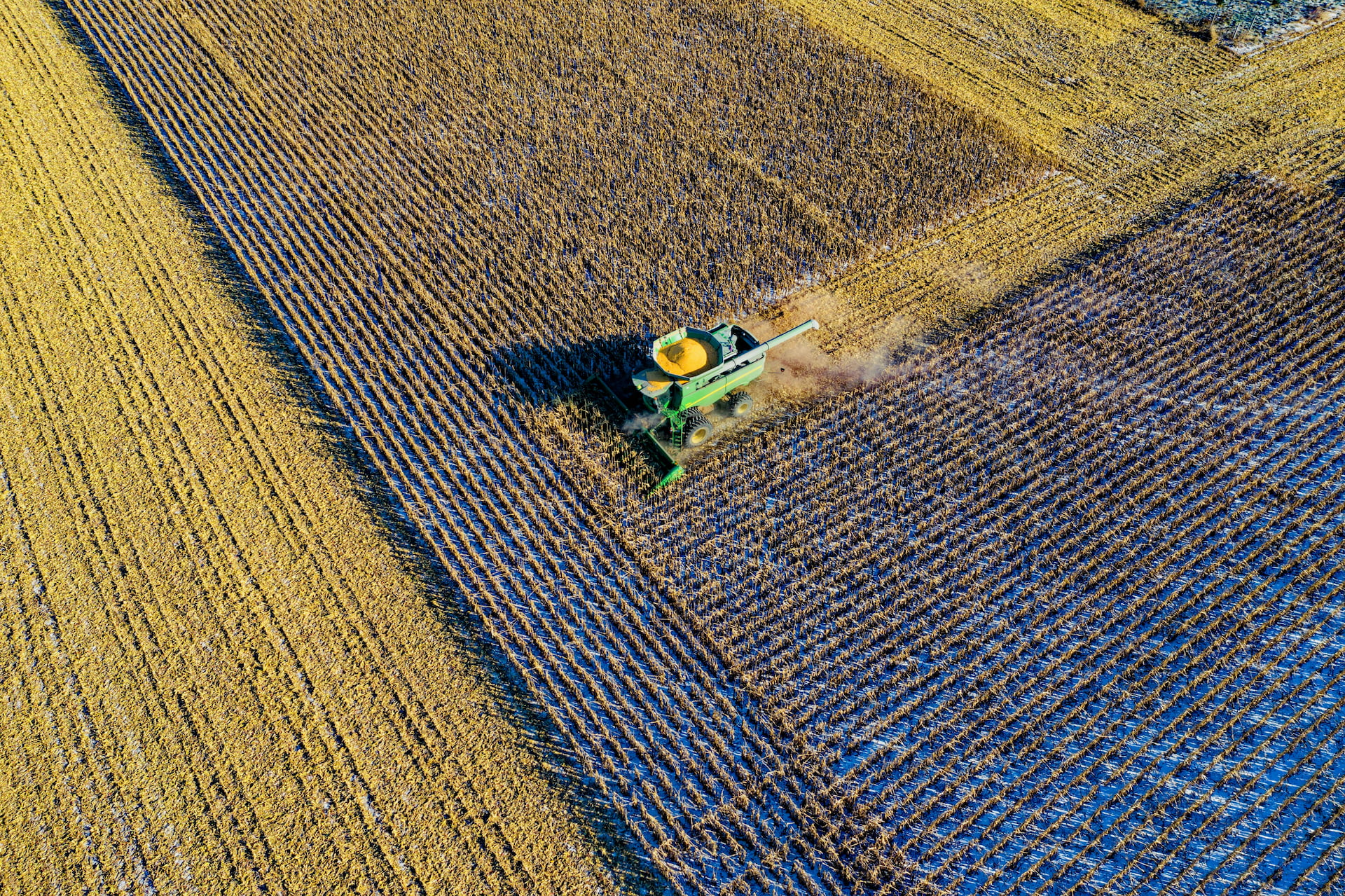
In-field precision and new energy agriculture technology
Autonomous equipment for planting, harvesting and disease prevention
Electrification of transportation and logistics
Incentive mechanisms for regenerative agriculture farming techniques
Sustainable fertilizer alternatives
Disease treatment technologies
climate
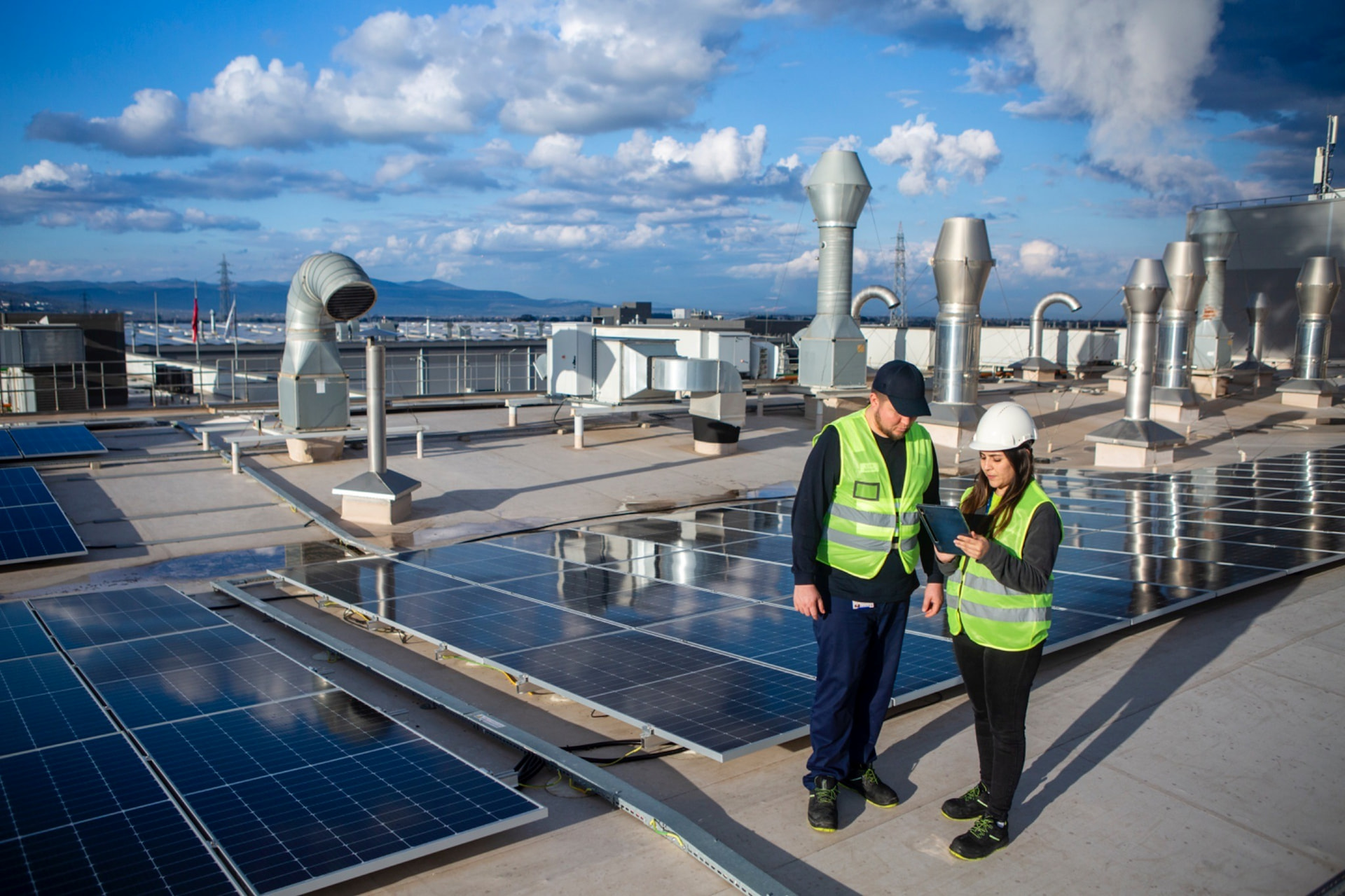
Renewable energy generation and solutions
Renewable and bio-based fuels
Carbon capture and storage
Alternative energy vehicles and transport
Efficient and digital LCA solutions
Energy efficiency and system optimization of equipment models
Electrification of transportation and logistics
Success stories
Explore how Greenhouse Program participants have collaborated with PepsiCo and partners to validate solutions, accelerate adoption and create measurable impact.

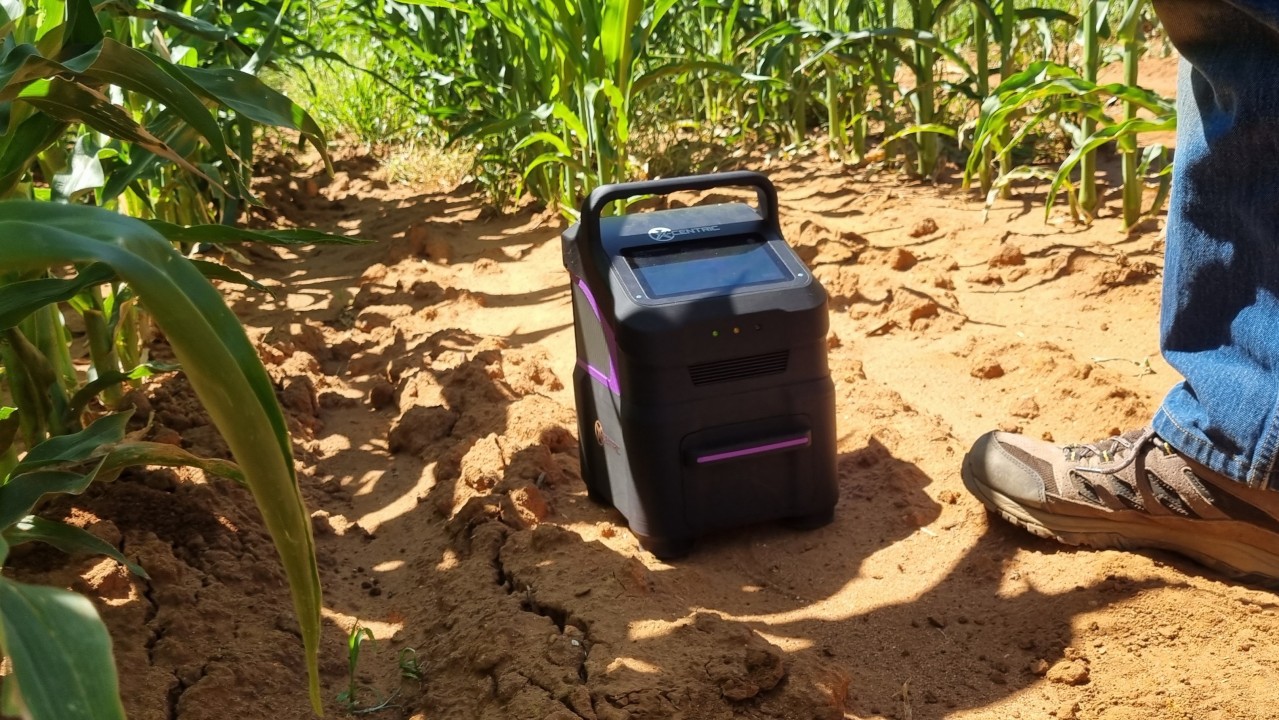
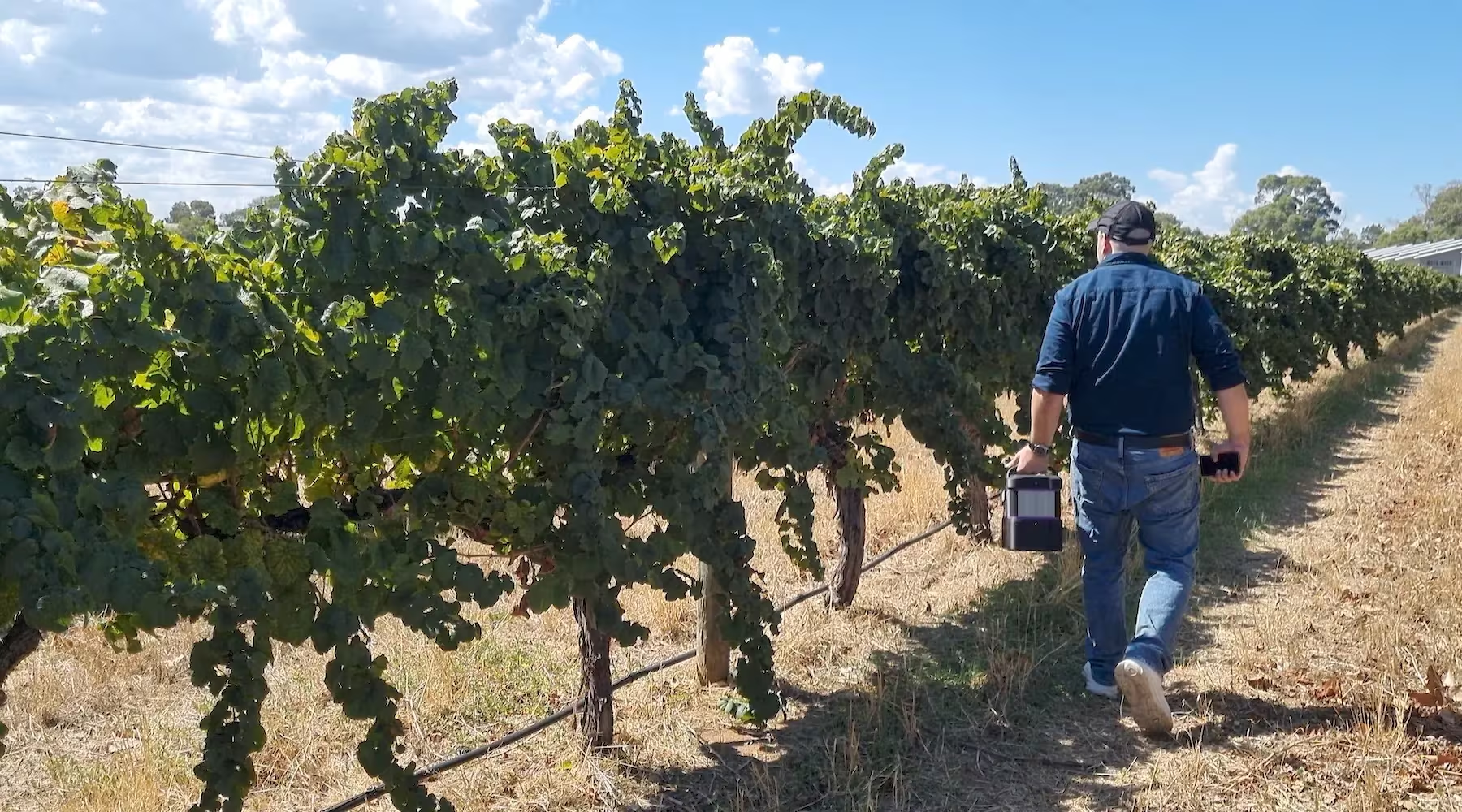
X-Centric, an Australia-based startup, developed a portable soil scanner to help farmers make faster, more informed decisions in the field.
But could it hold up under real farm conditions — the dust, the heat, the unpredictability of day-to-day operations?
Through the Greenhouse Accelerator, X-Centric began testing its system with our farming partners to see how the technology could support more efficient and sustainable agriculture in practice.
This episode explores the challenge of moving from technical promise to on-the-ground performance — and what it takes to make precision tools truly usable.

Organic waste is one of Asia’s fastest-growing challenges — and one of its most underused resources.
Enwise, a startup based in China, has been working with PepsiCo since before the Greenhouse Accelerator, exploring how to turn food and agricultural waste into renewable energy and organic fertilizer through compact, on-site systems. During GHAC, this collaboration expanded further at PepsiCo’s Wuhan facility — testing how the technology could perform in a live manufacturing environment.
This episode follows the evolution of that partnership — and what it takes to embed circular thinking into large-scale operations.
The Latest
APAC news & coverage










Register your interest for future programs