

- A pilot-to-commercialization path is only as strong as the contract framework underpinning it. Structure your pilot agreement to include defined success criteria, a commercialization pathway, and clear IP ownership from day one.
- Not all CVC relationships are equal. Before accepting a CVC investment, understand its governance structure, fund vs. balance-sheet dynamics, and how information rights and board seats could affect your commercial flexibility.
- Timing is critical. A successful pilot can catalyze your next equity round, unlock non-dilutive financing, and strengthen your negotiating position — but only if your deal structure preserves optionality.
Structure the pilot agreement with a clear path to commercialization
Executing a strong pilot is valuable for any startup, but especially in impact sectors across APAC, where full-scale testbeds and deep technical investor expertise are limited. Moving from pilot to commercialization not only generates revenue and scale — it demonstrates to investors that there is industry demand and that the technical challenges are surmountable. For impact businesses, revenue and impact are usually correlated: you cannot reduce emissions if large-scale users are not adopting your solution. If your pilot partner is an active investor (i.e., a Corporate VC, or “CVC”), it could even lead to an investment in addition to revenue.
However, piloting with a corporate is not without pitfalls. Below are some of the most common issues we see in practice, along with legal strategies to mitigate the downside and optimize the upside.
Build a commercialization plan into the pilot contract
One of the biggest issues founders run into with pilots is “what’s next” after a successful pilot. Two structural problems drive this:
- The innovation or corporate development team running the pilot does not have true buy-in (cultural, budgetary, or contractual) from operational decision-makers who control front line adoption and procurement budgets.
- Moving from an unpaid pilot to a paid commercial relationship triggers vendor qualification processes, legal review, and IP approvals at the customer that were glossed over or deferred during the pilot.
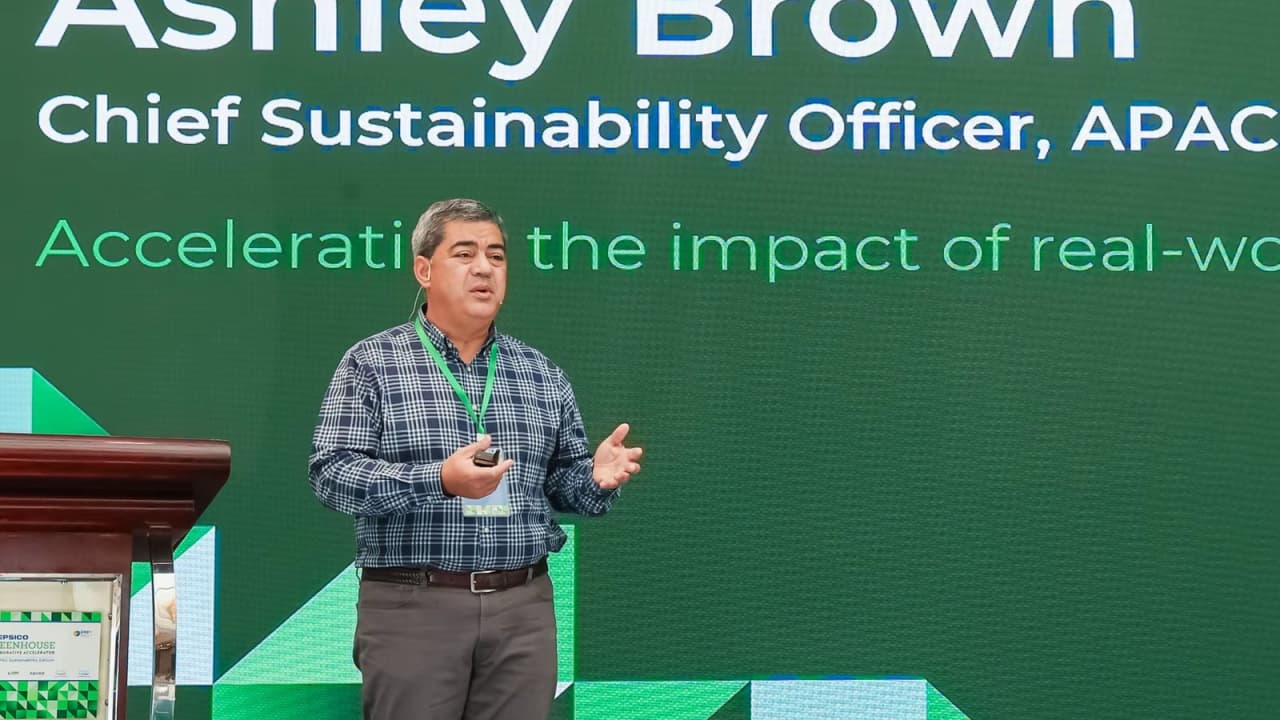
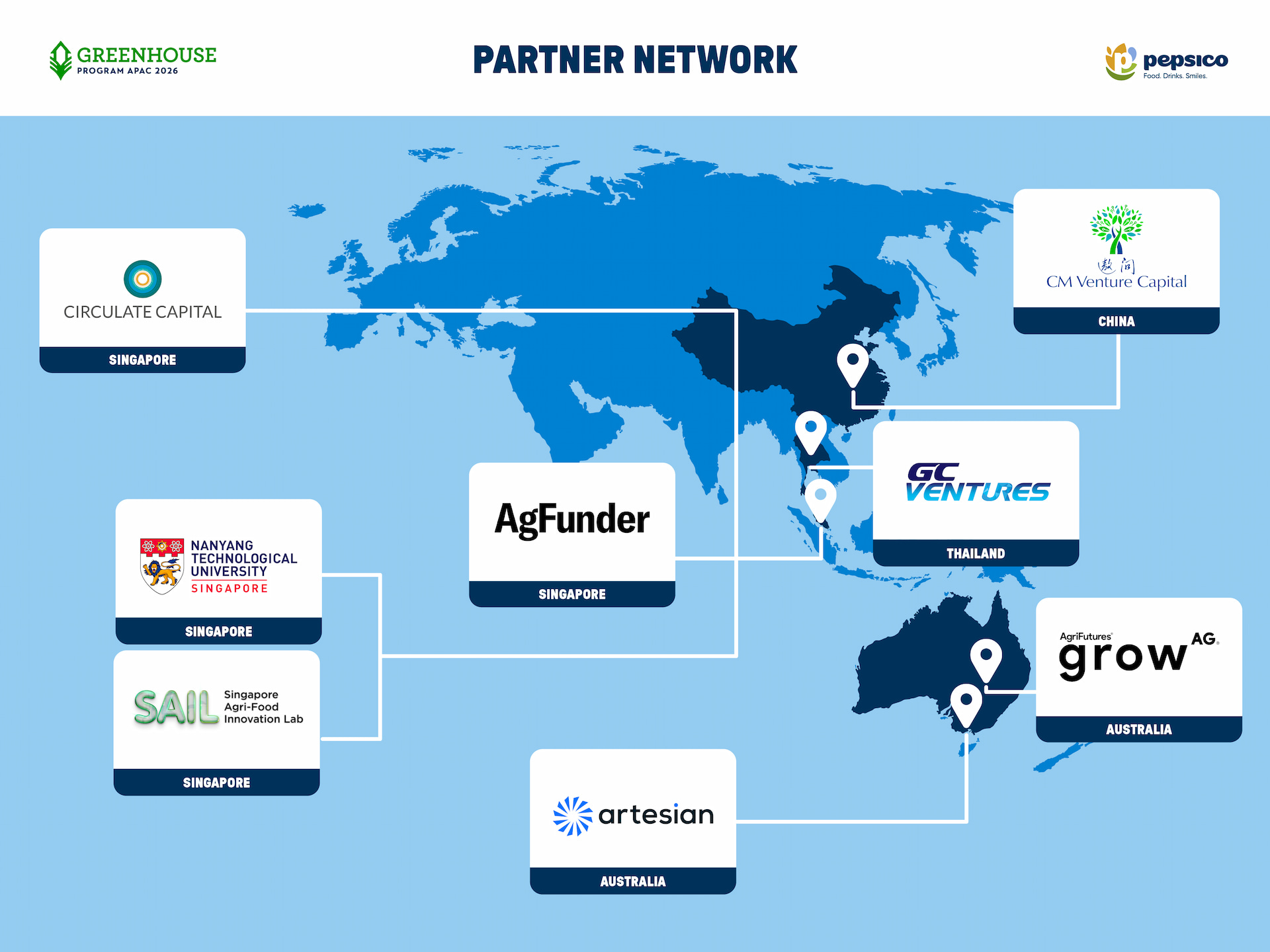
Programs like the PepsiCo Greenhouse Program APAC 2026 – IMPACT Edition are designed to address both issues by integrating operational teams from day one and establishing a defined collaborative route to deployment and scaled integration.
No matter what corporate you are working with, your pilot agreement should include operational stakeholder involvement and a defined pathway (with timelines and decision gates) from pilot to commercial deployment. It takes work up front and an understanding of the organization’s bureaucracy, politics and structure. Think about the different interests of your innovation contacts as opposed to the front-line operations people.
IP ownership is frequently the most contentious legal issue in pilot relationships. Traditional APAC enterprises can be familiar with hiring consultants (where the client owns the resulting IP), rather than partnering with startups on a licensing basis. If you are pursuing a licensing-style commercial arrangement, ensure your IP ownership is clear. Be selective about sharing full processes or proprietary data sets: even if you retain the legal rights, enforcing those rights against a larger counterpart in an unfamiliar jurisdiction is expensive and time-consuming.
Do your due diligence on the CVC — not all pilot opportunities are created equal
Look for corporates with a track record of turning pilots into commercial adoption: a successful pilot without a commercial relationship could be a bad sign. This is especially challenging where your solution is capital intensive with long run or non-financial benefits, which is common for impact businesses.
Try and get some information on how the innovation department or CVC is structured – if a CVC is investing from its own balance sheet or if it is a fund (see this primer from Cooley’s funds team) – and what its investment mandate and time horizon are. Innovation departments and CVCs can sometimes be “non-core” to the parent company and be at risk of a change in strategy, transition in C-suite or cost cuts – which cuts against CVCs as a “patient” source of capital if they lack a fund lifetime like a VC. Finding out how many reporting relationships there are between your contact and the CEO is a great first step.
Structure the CVC investment to align incentives and preserve optionality
Financial investors like VCs have pros and cons, but they are fundamentally aligned with the founder’s goal to scale the business (and hence its impact) to get to an exit and make a return. CVCs also have pros and cons: they are often not directly financially motivated and early visibility into proprietary deal flow in sectors of strategic relevance to the CVC parent is a huge strategic benefit, but you might not always expect how it impacts the corporate’s overall strategy.
An early CVC equity investment can be a foothold for the corporate to eventually acquire the startup. This can be a strong exit, especially in industries where there are only a few realistic buyers. It can also create challenges: the foothold can be used defensively to block their rival’s acquisition, the commercialization process may lock you into a single ecosystem, or the “exit” may be hiring you and your team instead of buying the Company (an “acqui-hire”). If the corporate parent is in your line of business, think about how commercial information about their rivals or trade secrets about your IP flow up to them through board representation and information rights. These issues are solvable if identified and addressed early on in your IP and investment contracts with the corporate and your overall relationship.
Finally, think about how a long-term commercialization relationship may unlock revenue-based or other non-equity financing to limit dilution — especially relevant for startups with physical products and associated inventory and working capital requirements. Venture debt, trade credit facilities, and revenue-based financing can complement your equity structure and extend runway.
Sequence your pilot, fundraise, and CVC investment strategically
The finance adage “being early is the same as being wrong” applies particularly to impact startups operating on limited runway. Here is a framework for sequencing a catalytic pilot and CVC investment in connection with your next funding round:
- Know how long your pilot will take to show results.
- Be explicit about what success looks like, and when so everyone is on the same page.
- Success can be a catalyst for VC investment, especially if a VC is already interested.
- Success can also open up non- or less-dilutive financing options (venture or traditional debt, trade credit, revenue-based financing, etc.), especially for working capital. This could extend your runway or change your story to VCs about use of proceeds.
- CVC investment usually only opens up AFTER a successful pilot