

There is no shortage of startups.
For investors and corporations looking for new technologies, the challenge is no longer finding something new, but determining which innovations can become real businesses.
It’s an important distinction – a solution can be genuinely novel and still fail to solve a problem customers care about. A promising proof of concept can struggle when it meets the complexity of a real operating environment. And a company with strong early traction can still find it difficult to make the jump from a handful of customers to meaningful commercial scale.
A clearer path to commercial viability is critical to building an enduring business. When selecting startups to back, our team not only needs to understand the problem behind the technology, but feel conviction that this company and this technology are needed right now.
And the question of whether an innovation can work at scale is central to how we evaluate potential startups and ultimately make investment decisions.
From promising technology to commercial reality

A consideration that often complicates investment is the fact that the path from pilot to scale is rarely linear. A technology may work as intended, but potential deployment with a global or regional partner can raise a completely new set of questions. Can it integrate with existing infrastructure? Can it deliver consistently at a larger volume? Does it create enough value for a customer to justify changing the way they operate? And can the company support that growth without compromising the economics of the business?
These questions can’t be answered through forecasts and simulations placed in a deck. They only become clear through real-world engagement. This is where corporate-startup partnerships are playing an increasingly important role in how we invest. The right corporate partner can give a startup something that we as investors cannot provide: exposure to the realities of operations at scale.
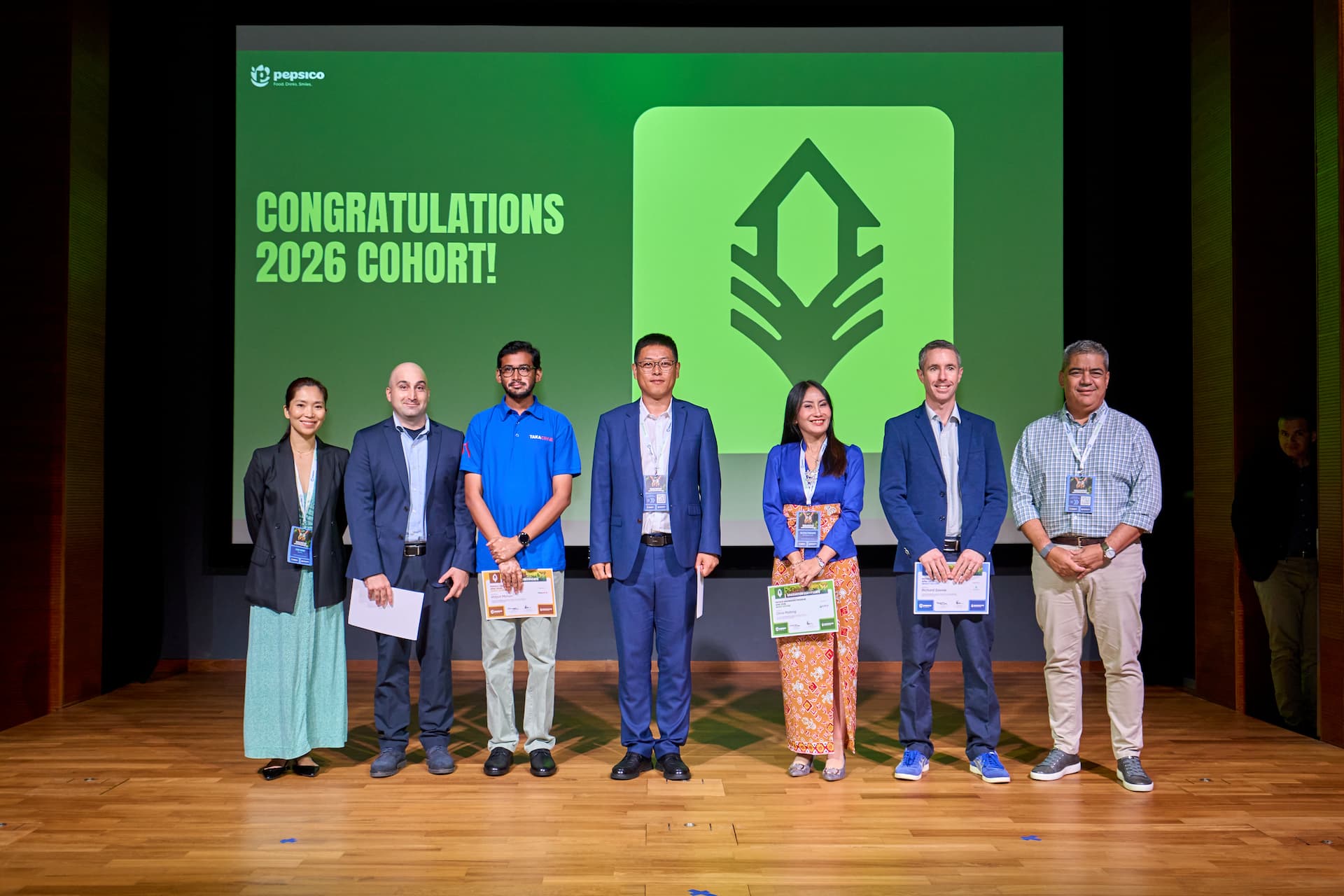
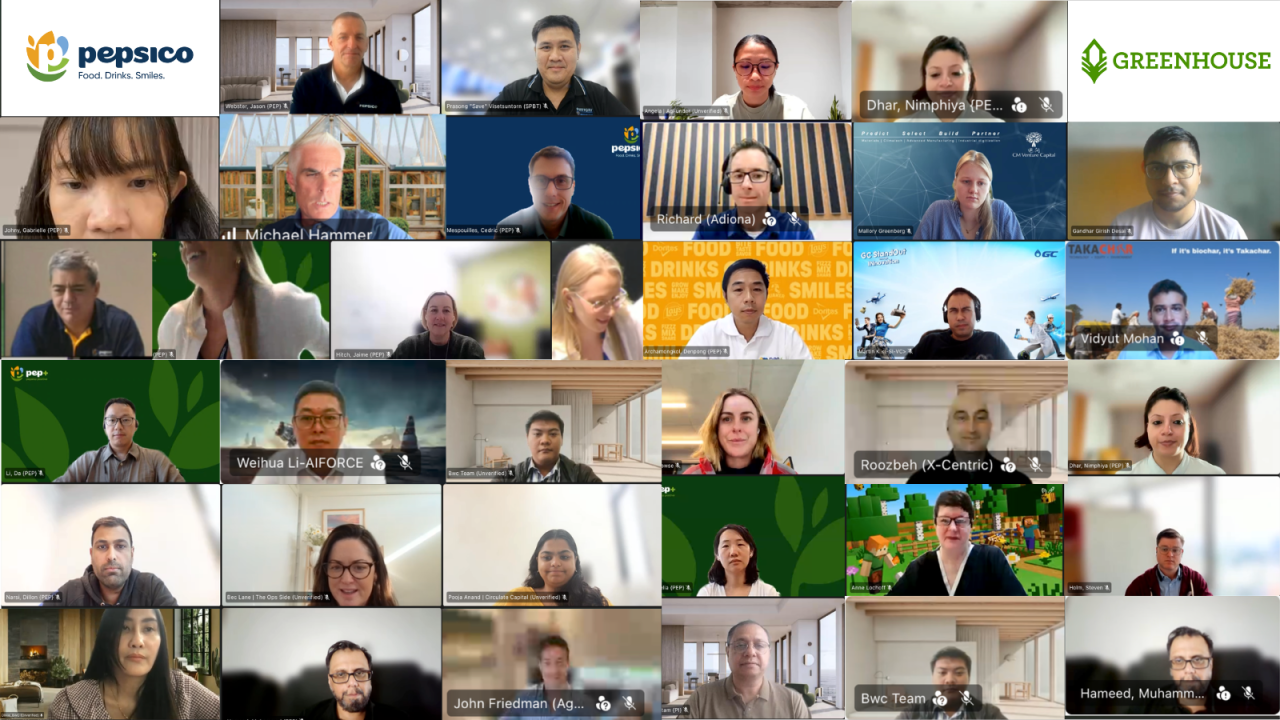
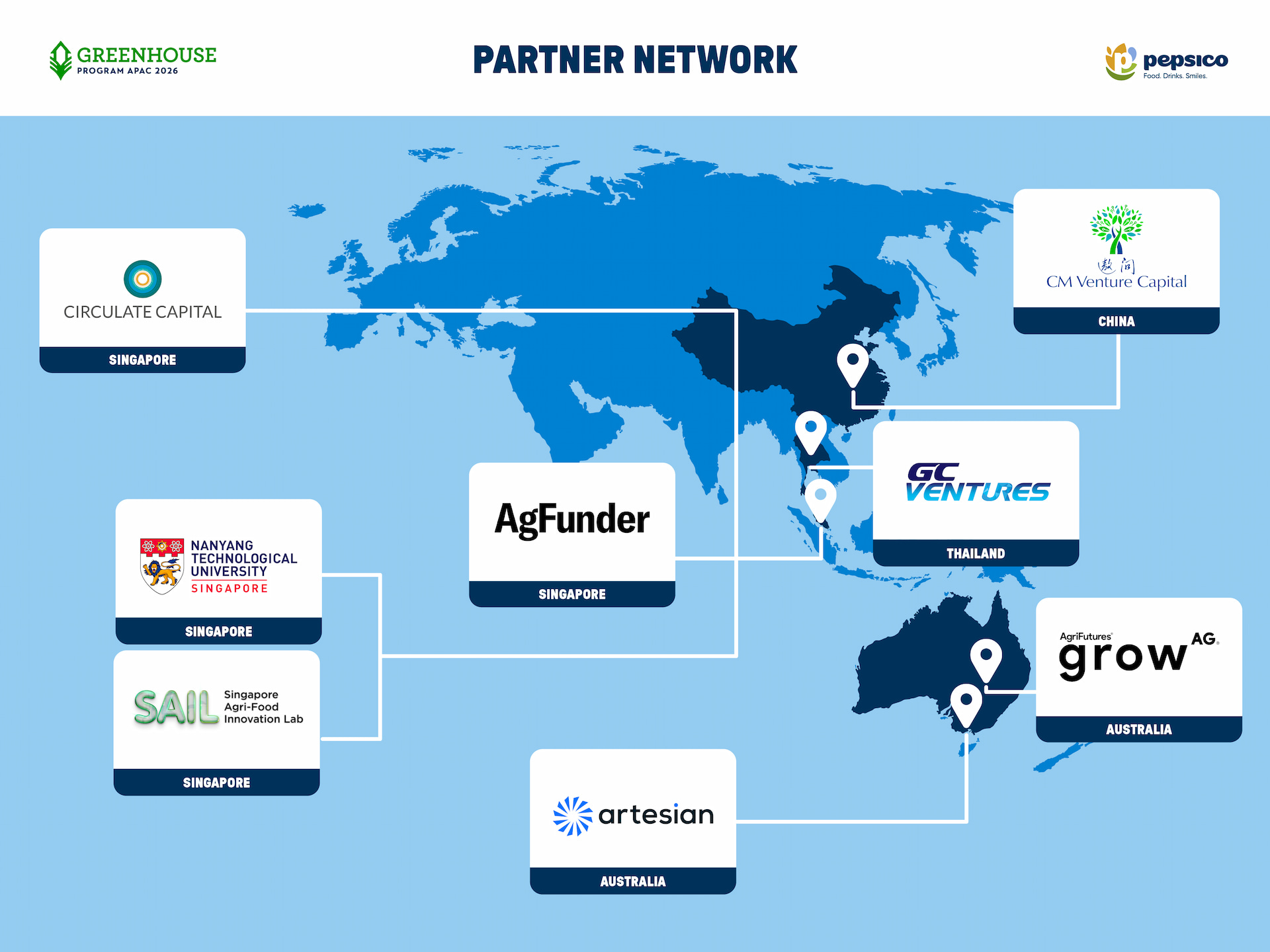
That’s why this year, CM Venture Capital is partnering with the PepsiCo Greenhouse Program APAC 2026: The IMPACT Edition. An established accelerator programme in the region, this year’s cohort is made up of proven startups from previous editions. These companies have already been screened for both technical potential and commercial relevance, are solving defined business problems, and have existing proof points with customers, providing an important foundation from which to scale.
It’s a unique approach that is giving founders direct access to PepsiCo’s operations and commercial teams so they have a better understanding of what it takes to scale within a global company and transform from a successful pilot to a meaningful commercial partner.
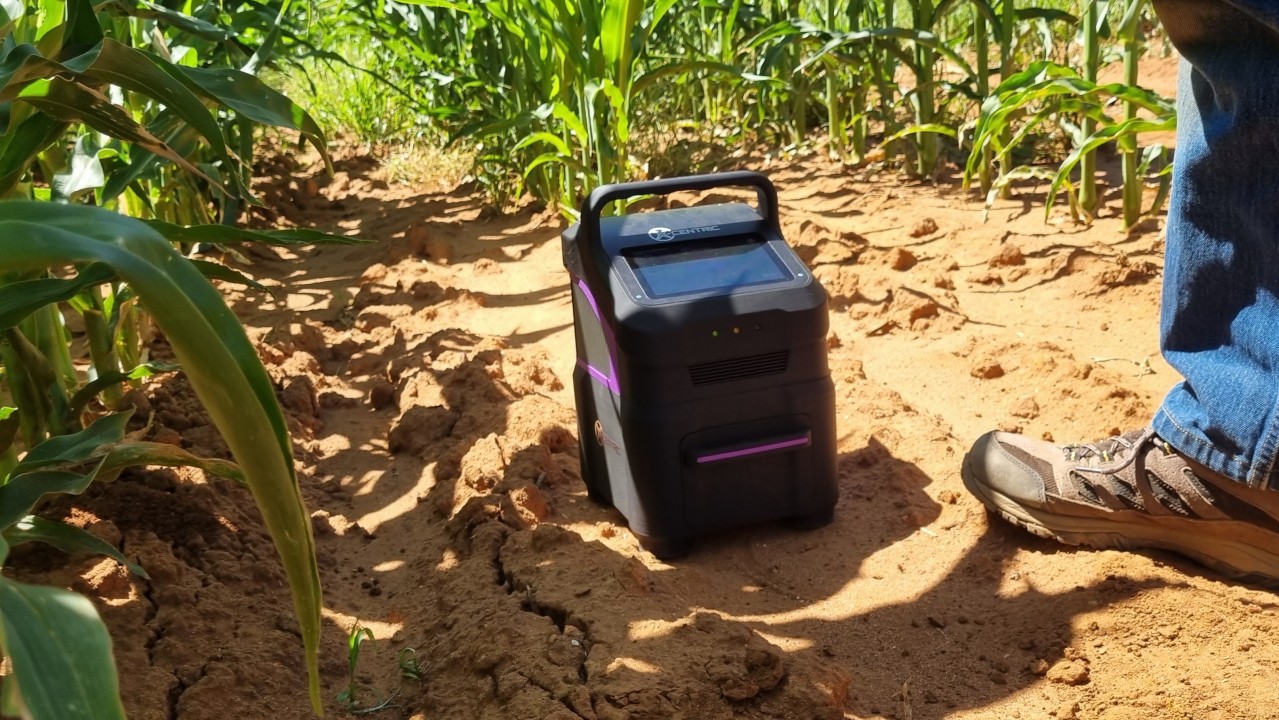
Beyond the access and support provided through the program, the IMPACT edition creates opportunities for founders to test assumptions that are difficult to validate in a traditional startup environment. They can discover how technology performs in practice, where it fits in an existing operation, what adoption truly requires, and what needs to change for broader deployment.
For investors, these are the learnings that take a startup from an innovative technology to a promising, commercially-ready investment. And this programme is particularly valuable, as it provides another lens for making the distinction between a startup with an interesting idea and one with the potential to become a successful business.
Finding the signal in the noise
That is where we see the value of the PepsiCo Greenhouse Program APAC. By bringing investors and startups closer to real commercial challenges, the programme builds a stronger signal around companies that have already demonstrated commercial relevance beyond the laboratory or the pitch deck.

With real-world evidence of how a solution works in practice, how customers and operators respond to it and where the commercial opportunity lies, our teams can not only grasp the viability of a startup, but better discern whether we see it as an interesting technology that could be developed for the future or a solution that can be deployed at scale to solve a critical problem today.
At CM Venture Capital, this corporate innovation model doesn’t just introduce us to ambitious startups with vision; it provides proven data and demonstrated market impact in a real-world environment. And that gives us the confidence we need to make an investment decision.
Because the challenge is no longer finding innovation. It is identifying the innovations that can become successful businesses. And the PepsiCo Greenhouse Program APAC helps us get closer to that answer.